DESIGN · CODE · ART
River Yu
Game programmer / Technical artist / Designer
Beijing Film Academy
Connecting gameplay, technology and visual expression.
 Idle Sprout GamesINDEPENDENT GAME STUDIO
INDEPENDENT GAME STUDIO · BEIJING
We are Idle Sprout Games. Three creators turning a shared curiosity for play, art and technology into games you can get your hands on.
From an unusual idea to a world worth returning to. We prototype to find the fun, then take time to refine how every action feels.
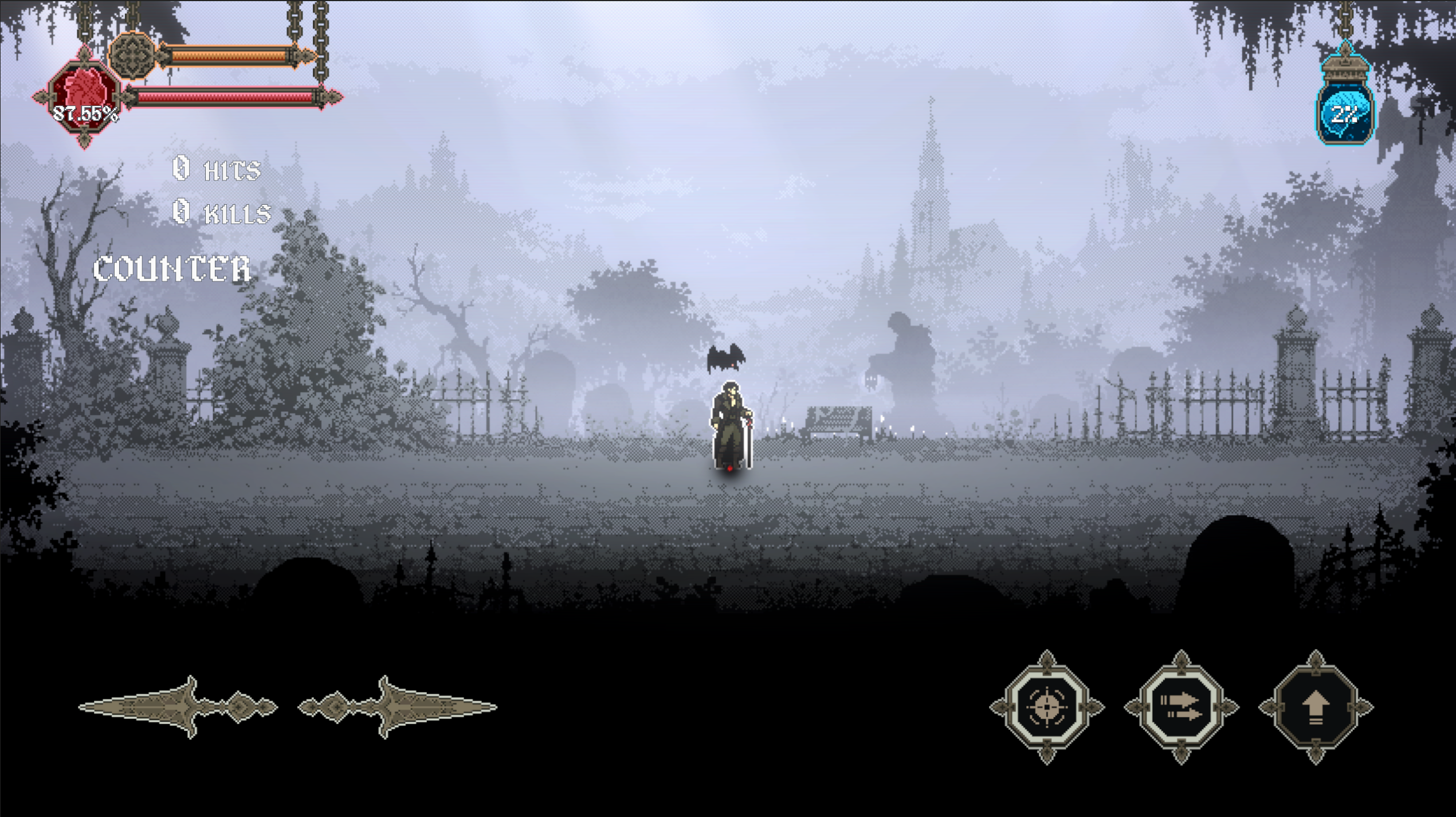 A WORLD TAKING ROOTIrosayneA gothic pixel dream · In-engine development imageSMALL TEAM
01 / OUR TEAM
Design, code and art come together around the same playable build. We make games, and build tools for the problems we meet along the way.
Core team members previously contributed to the core development of projects backed by MiraclePlus and Game Trigger , and have explored generative AI in game development and product design since 2024.
DESIGN · CODE · ART
Game programmer / Technical artist / Designer
Beijing Film Academy
Connecting gameplay, technology and visual expression.
DESIGN · CODE
Game programmer / Designer
Hunan University
Turning gameplay rules into playable systems.
DESIGN · ART
Game artist / Designer
China Agricultural University
Giving worlds their identity through characters and imagery.
02 / OUR CURRENT FOCUS
In development · Refining the core loopEnter the dream. Return changed.
Select an image to view full screen
A gothic pixel game combining side-scrolling action with incremental progression, currently in development.
03 / CORE CAPABILITIES · PRODUCTION WORKFLOWS
From gameplay implementation to animation, art and environments, we turn production problems into tools and workflows. These real cases show how the team sets standards, uses generative AI and validates the results in a playable build.
CASE 01 / PRODUCTION PRACTICE
AI production in practice · Six real workflows in use
Bobo Beat Clash shows how generative AI enters game logic, character animation and the colored-pencil art pipeline. Six real workflows cover natural-language requirements to playable logic, animation assets, visual standardization, pose transfer, keyframe generation and texture cleanup.
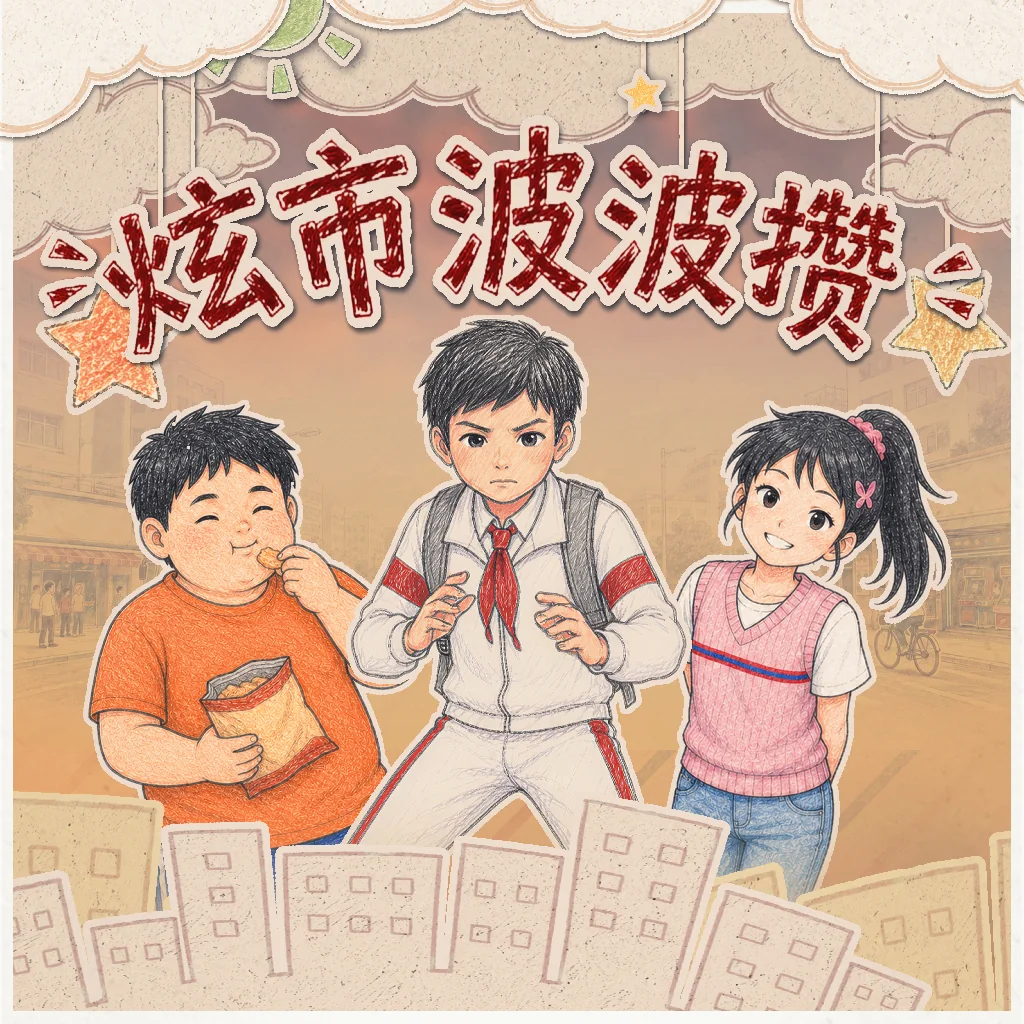
01 / GAME LOGIC
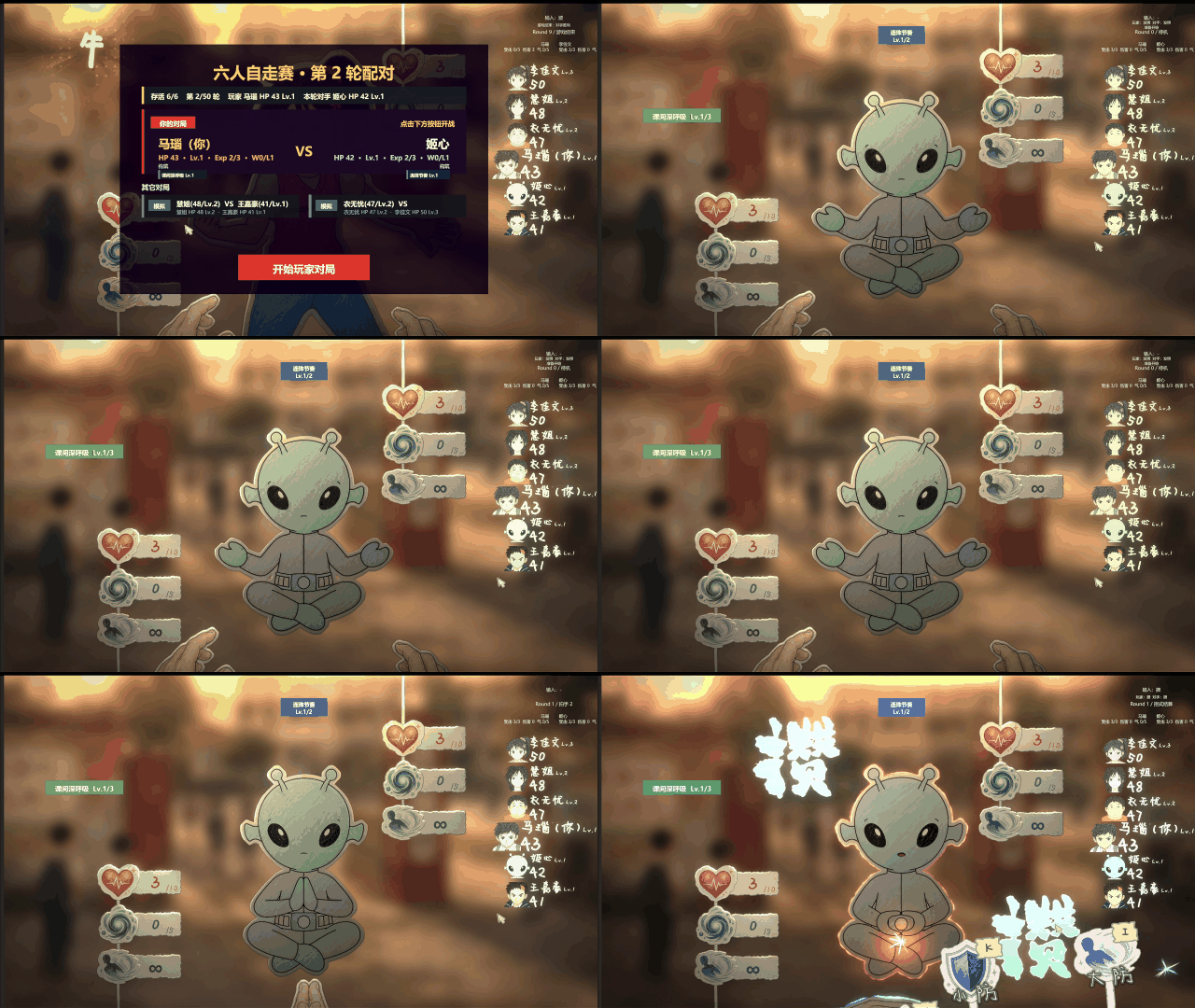
The team documents gameplay goals, rule boundaries, interaction states and acceptance criteria. A coding agent then reads the existing project, plans an implementation and writes the code. The result is validated in actual matches and refined using playtest feedback.
Workflow: people define requirements and acceptance criteria → coding agent plans and implements → in-engine playtest → feedback-driven iteration.
Swipe to explore the gallery →
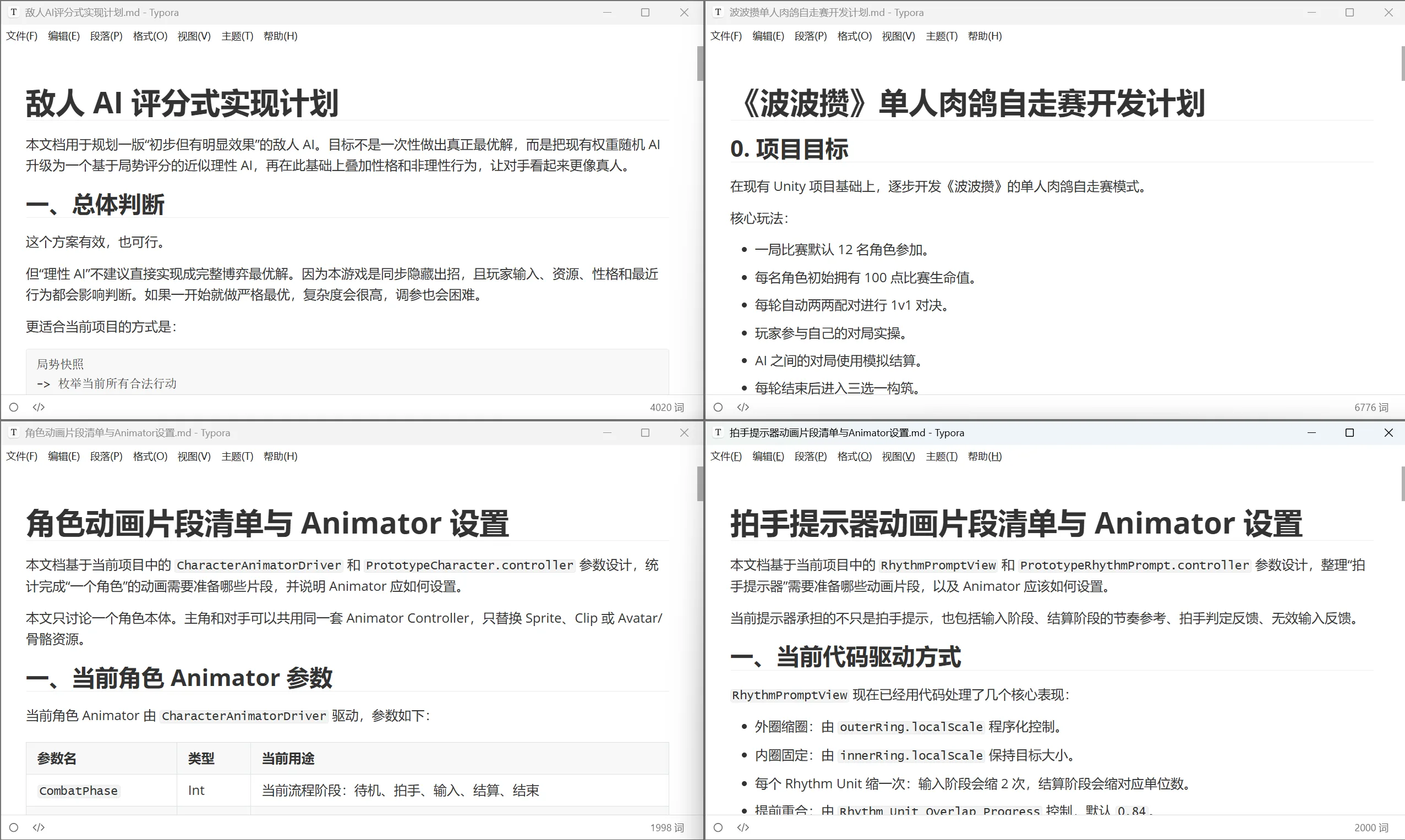 01 / REQUIREMENT
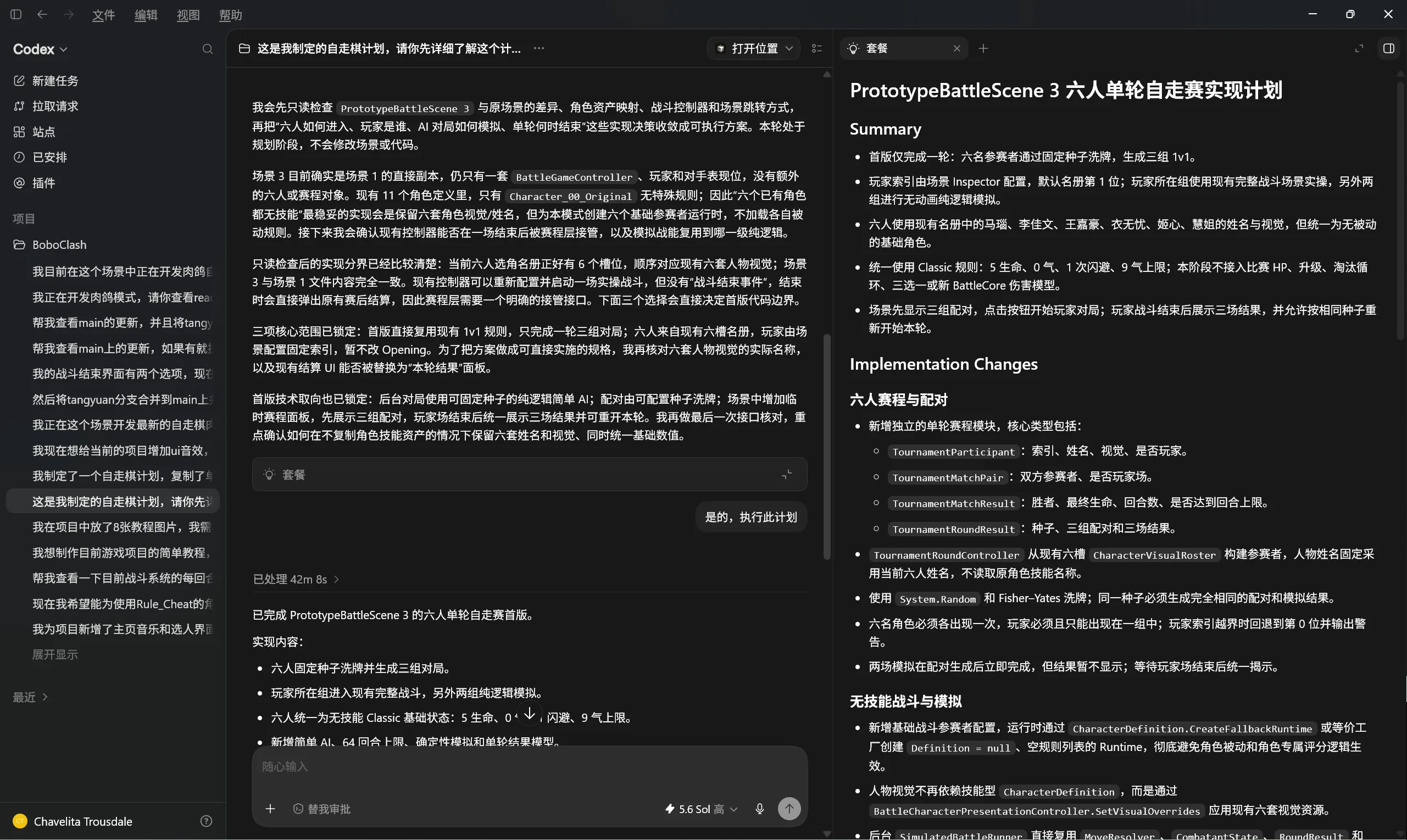 02 / CODING AGENT
 03 / PLAYTESTGIF / LOOP01 / REQUIREMENT02 / CODING AGENT03 / PLAYTESTGIF / LOOP
02 / CUSTOM PIPELINES
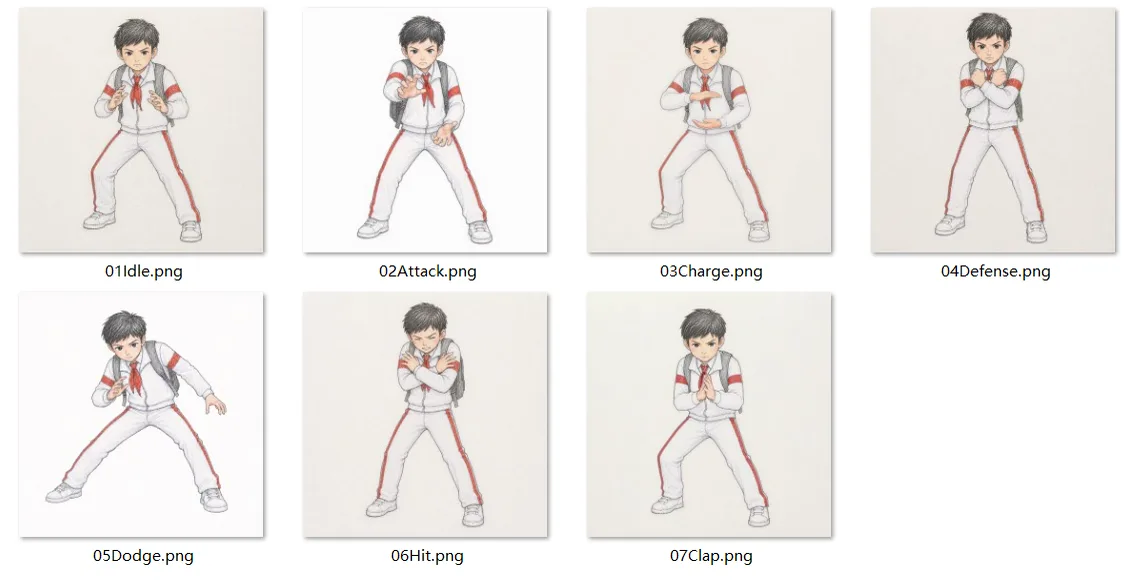
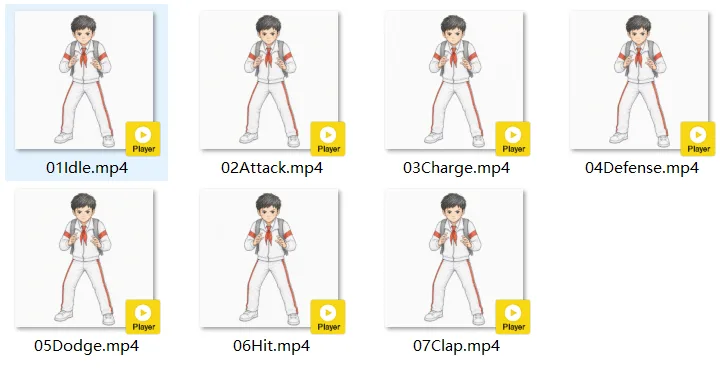
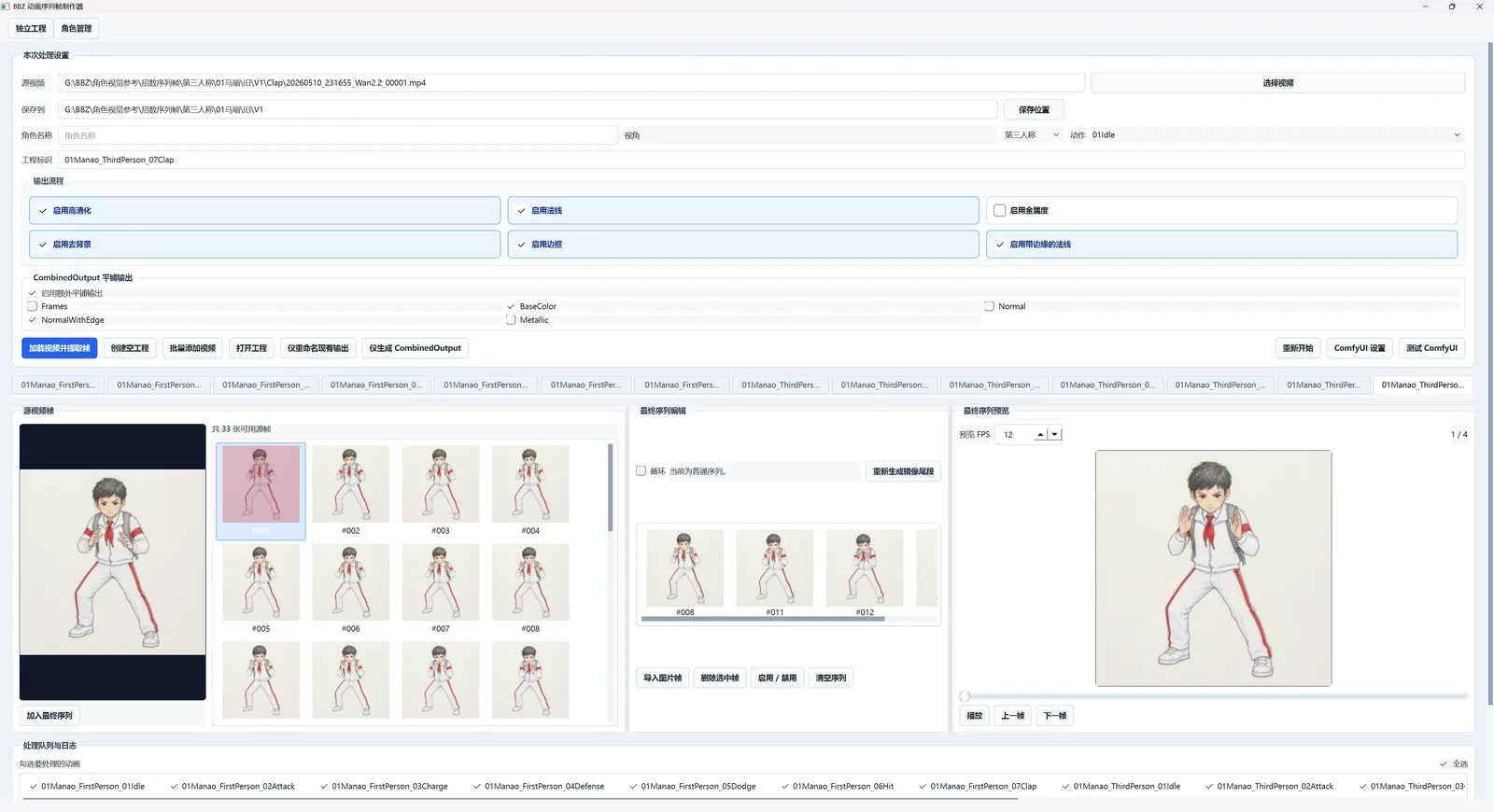
The team manually defines key states and final frames for each action, then generative AI fills in transitions. A dedicated desktop tool extracts and cleans frames, edits sequences and outputs multi-channel assets; an engine plugin imports and builds them in batches from action settings.
Workflow: human-defined key states → AI in-betweening → frame processing → engine build → usable animation assets.
Swipe to explore the gallery →
 01 / KEY POSES
 02 / AI TRANSITIONS
 03 / FRAME WORKBENCH01 / KEY POSES02 / AI TRANSITIONS03 / FRAME WORKBENCH
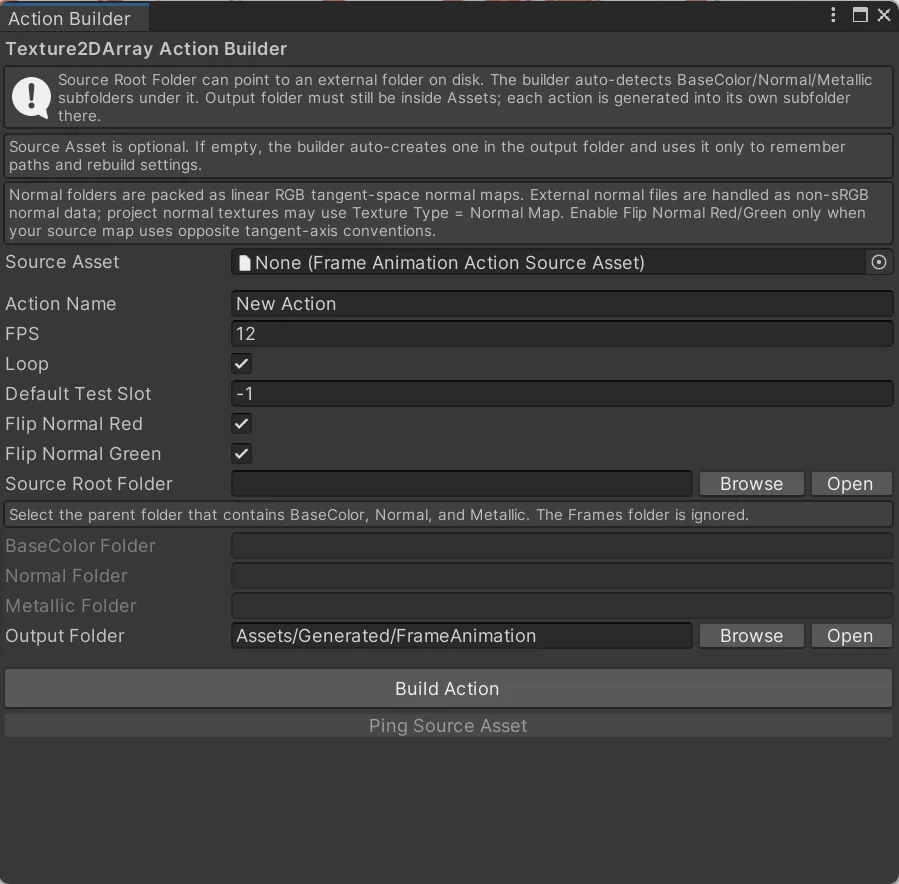 04 / ENGINE BUILD
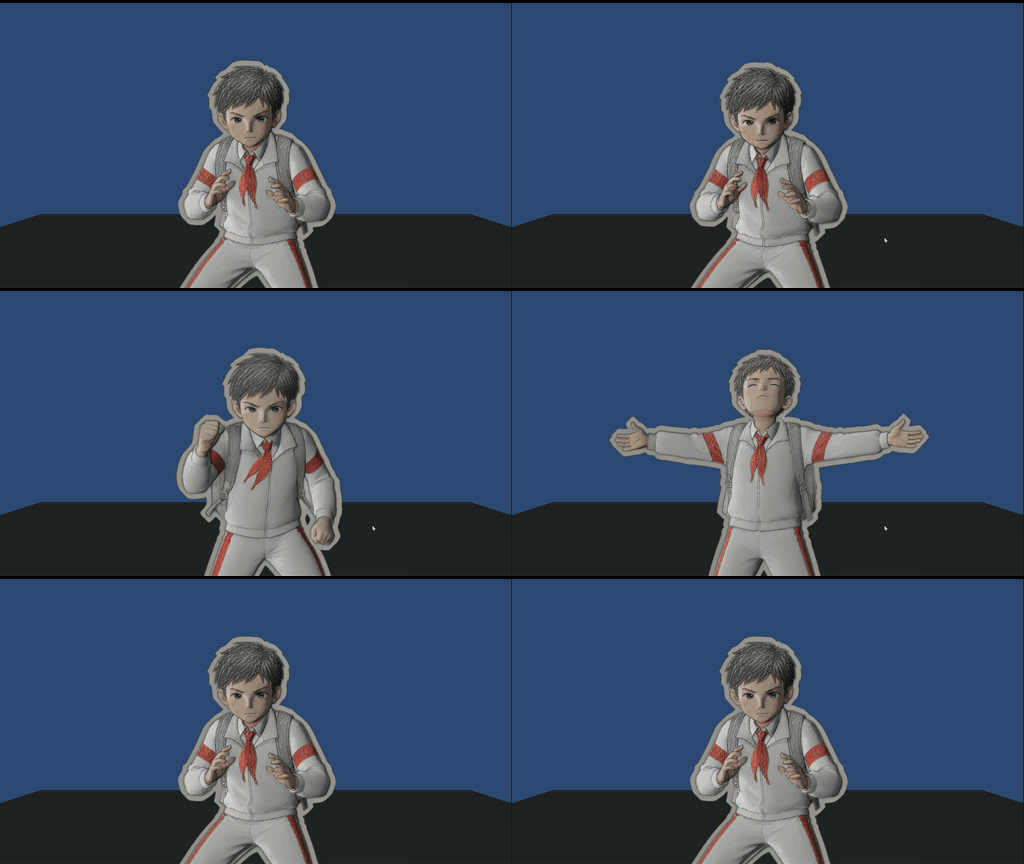 05 / OUTPUTGIF / LOOP
03 / ART ASSISTANCE
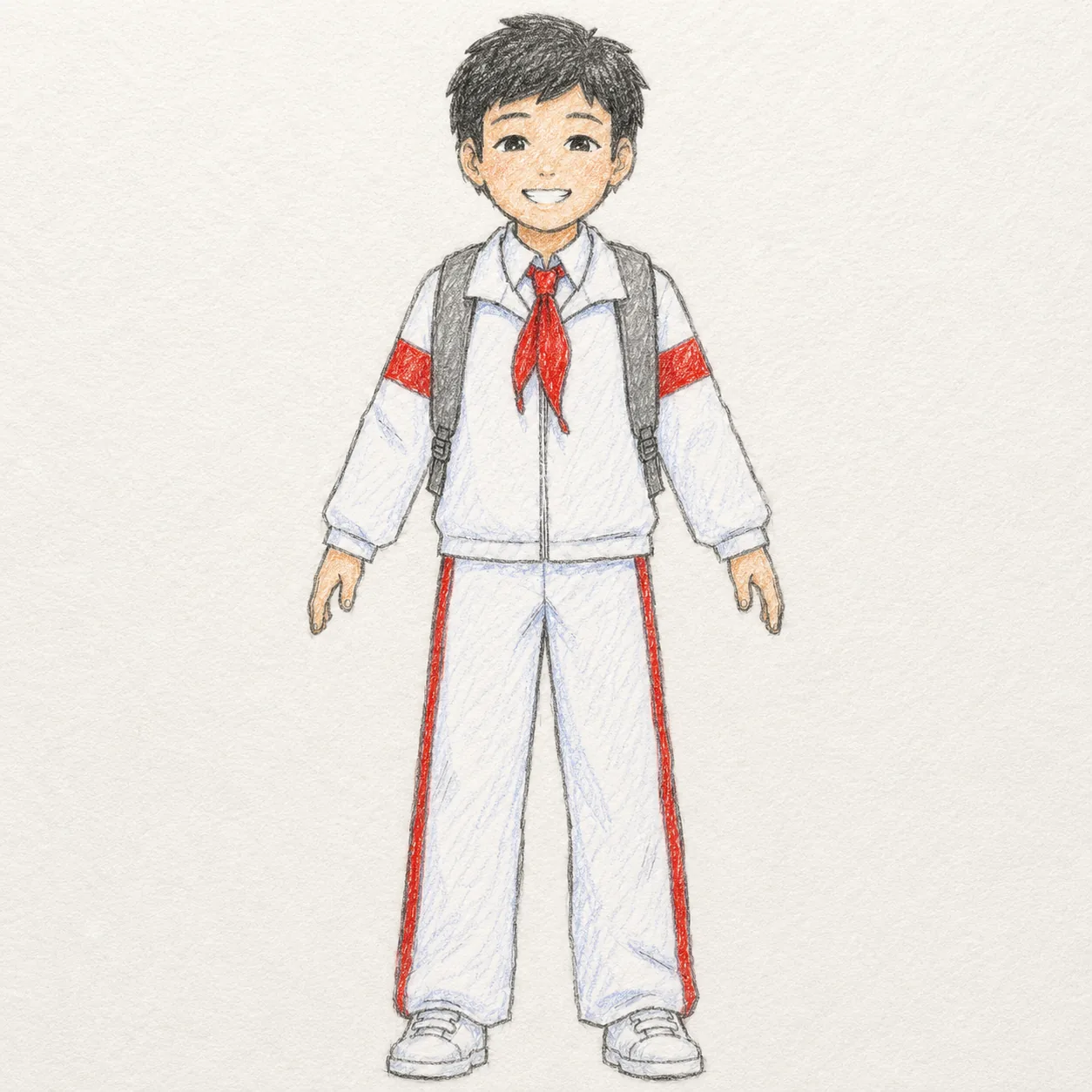
Artists first establish character identity, costume structure and aesthetic direction in original art. An image model creates an intermediate full-body image with more stable composition and proportions, then redraws it to the project’s colored-pencil material standards. AI handles standardization and batch redraws; people define characters and style rules and approve the result.
Workflow: human character definition → AI structural standardization → colored-pencil redraw → consistent character assets.
Swipe to explore the gallery →
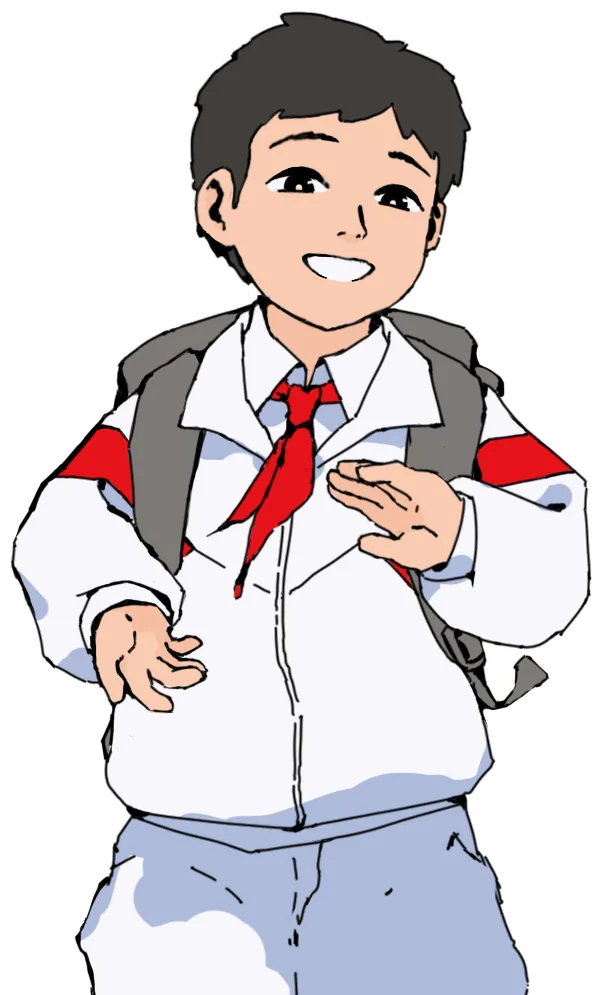 01 / ART DIRECTION
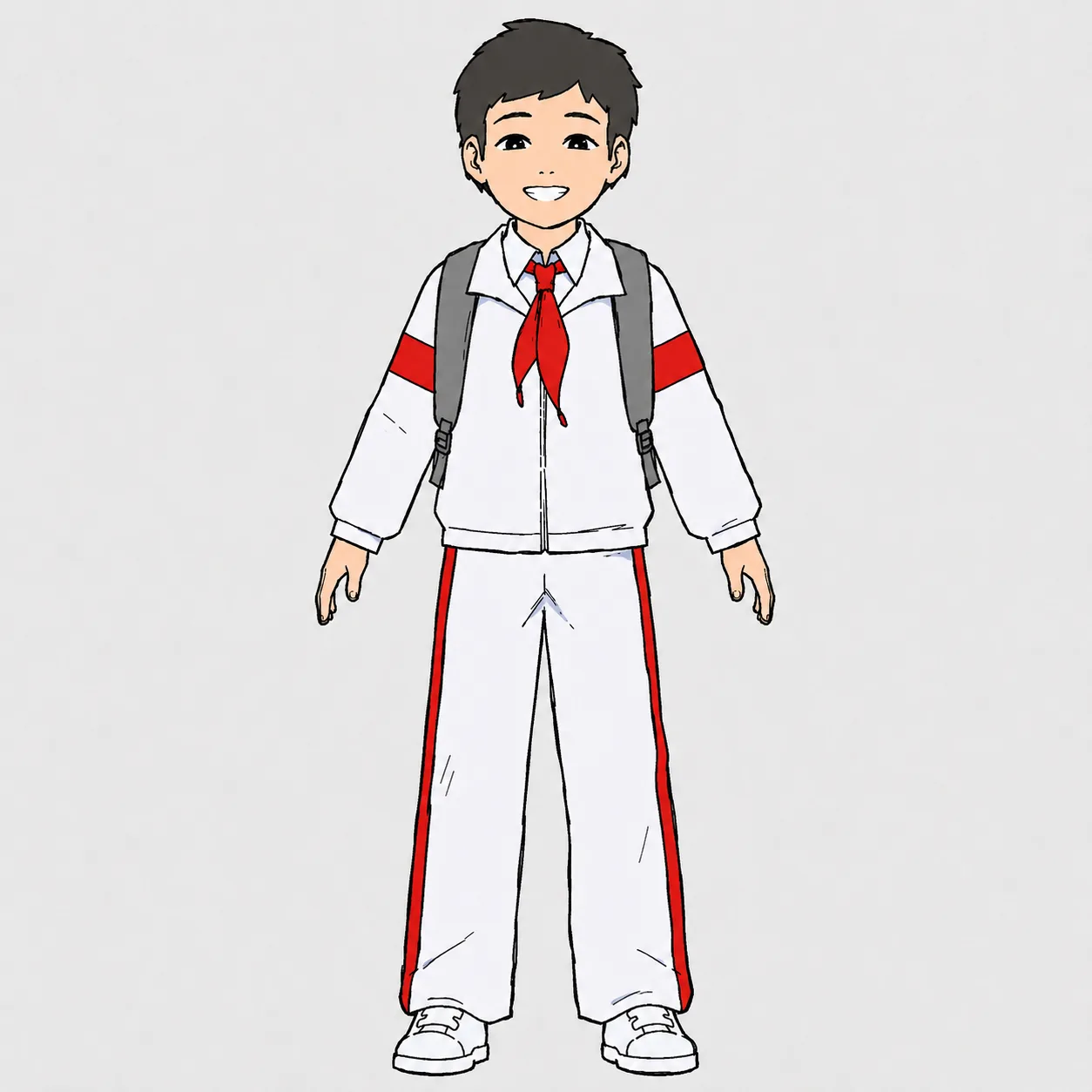 02 / STABLE BASE
 03 / STYLE OUTPUT01 / ART DIRECTION02 / STABLE BASE03 / STYLE OUTPUT
04 / POSE TRANSFER SKILL
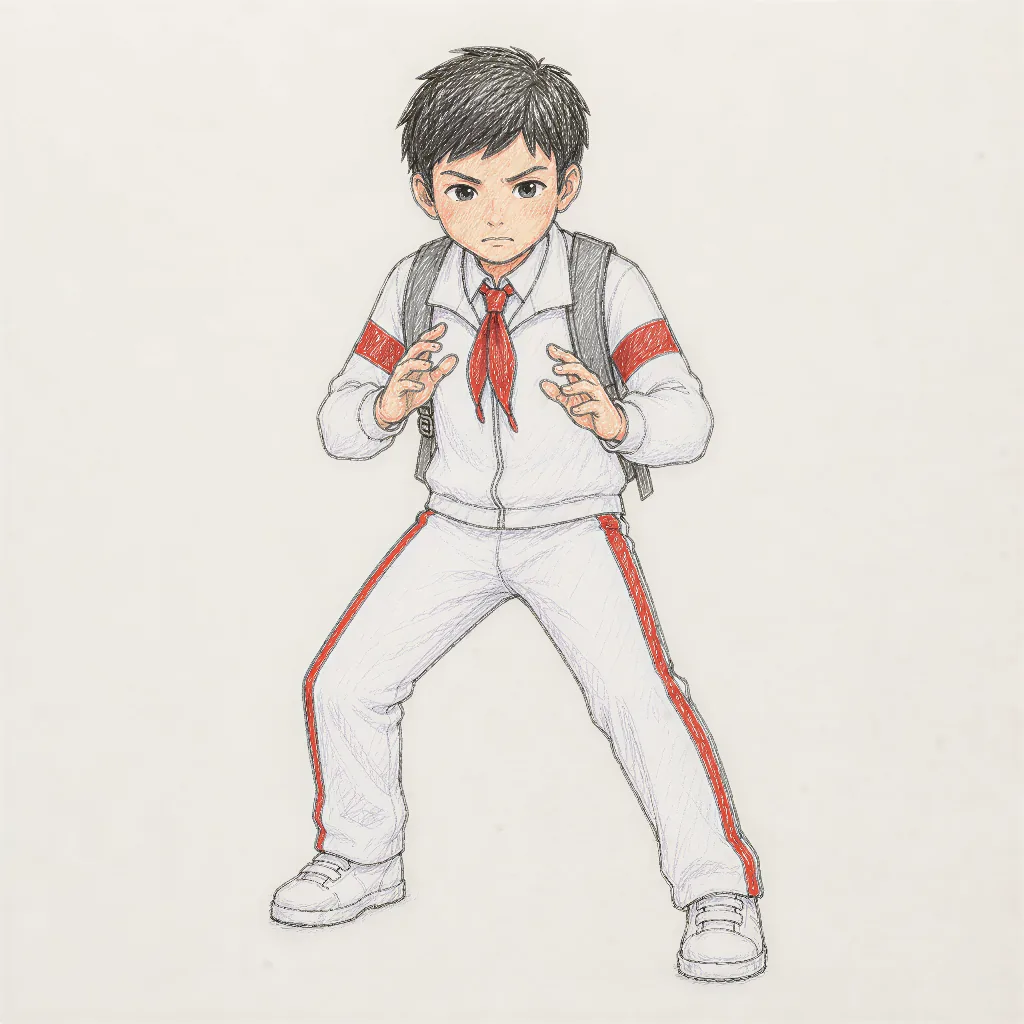
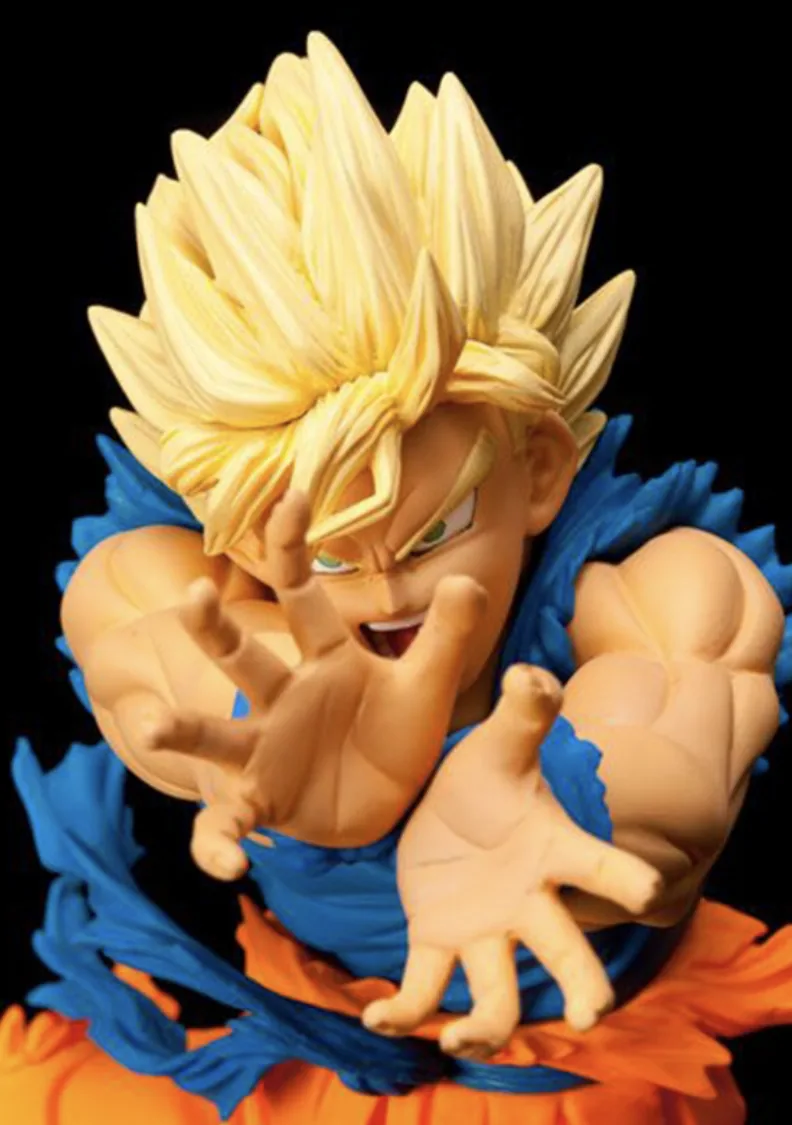
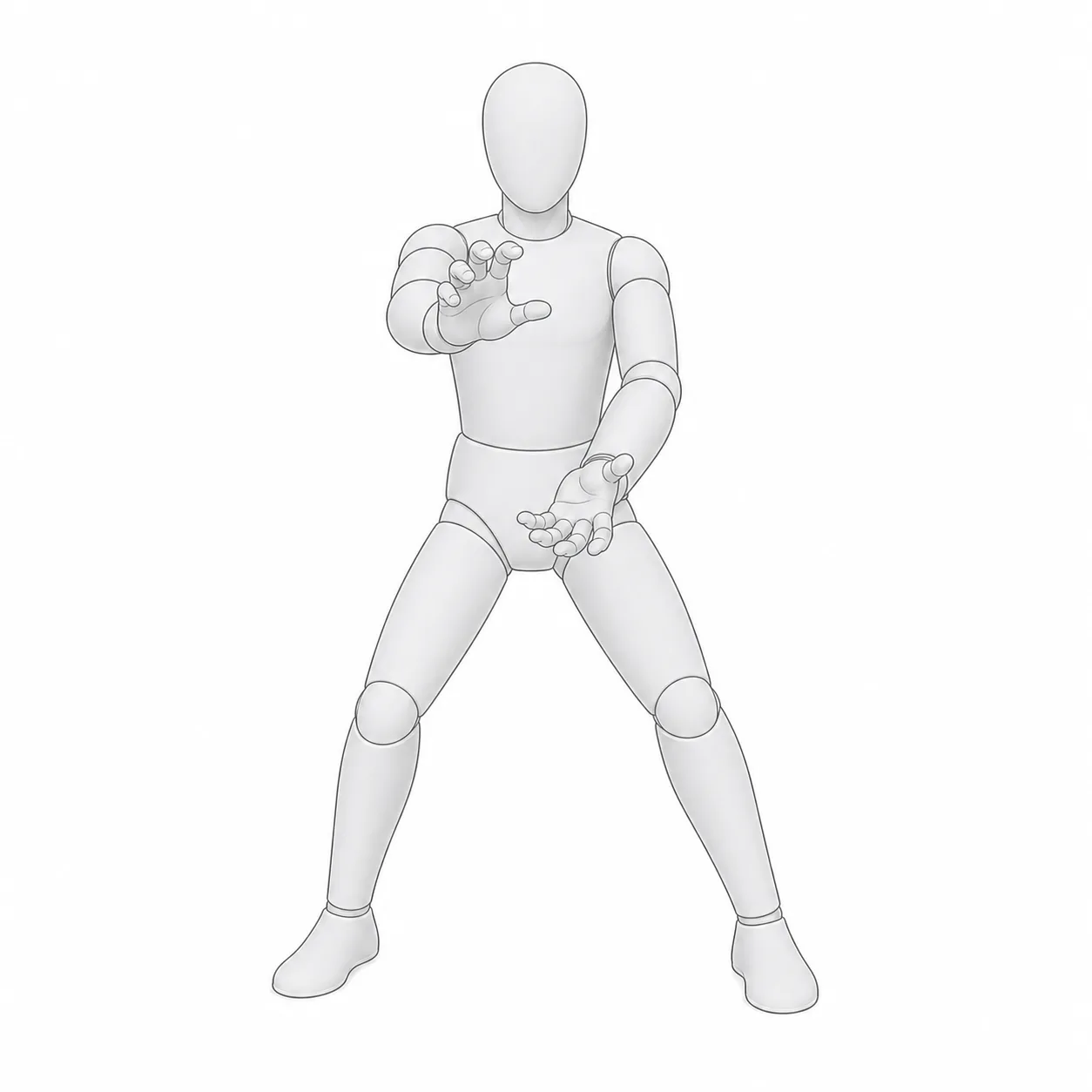
The team separates character identity from the target pose: the pose is extracted into a neutral, low-noise mannequin without an identity, then applied to the chosen character. The intermediate mannequin isolates the reference image’s appearance, reducing unwanted transfer of clothing, materials and style.
Value: separating pose extraction from character redraw allows external pose references to be reused while preserving character identity and the project’s style.
Swipe to explore the gallery →
 01A / IDENTITY
 01B / POSE
 02 / POSE PROXY01A / IDENTITY01B / POSE02 / POSE PROXY
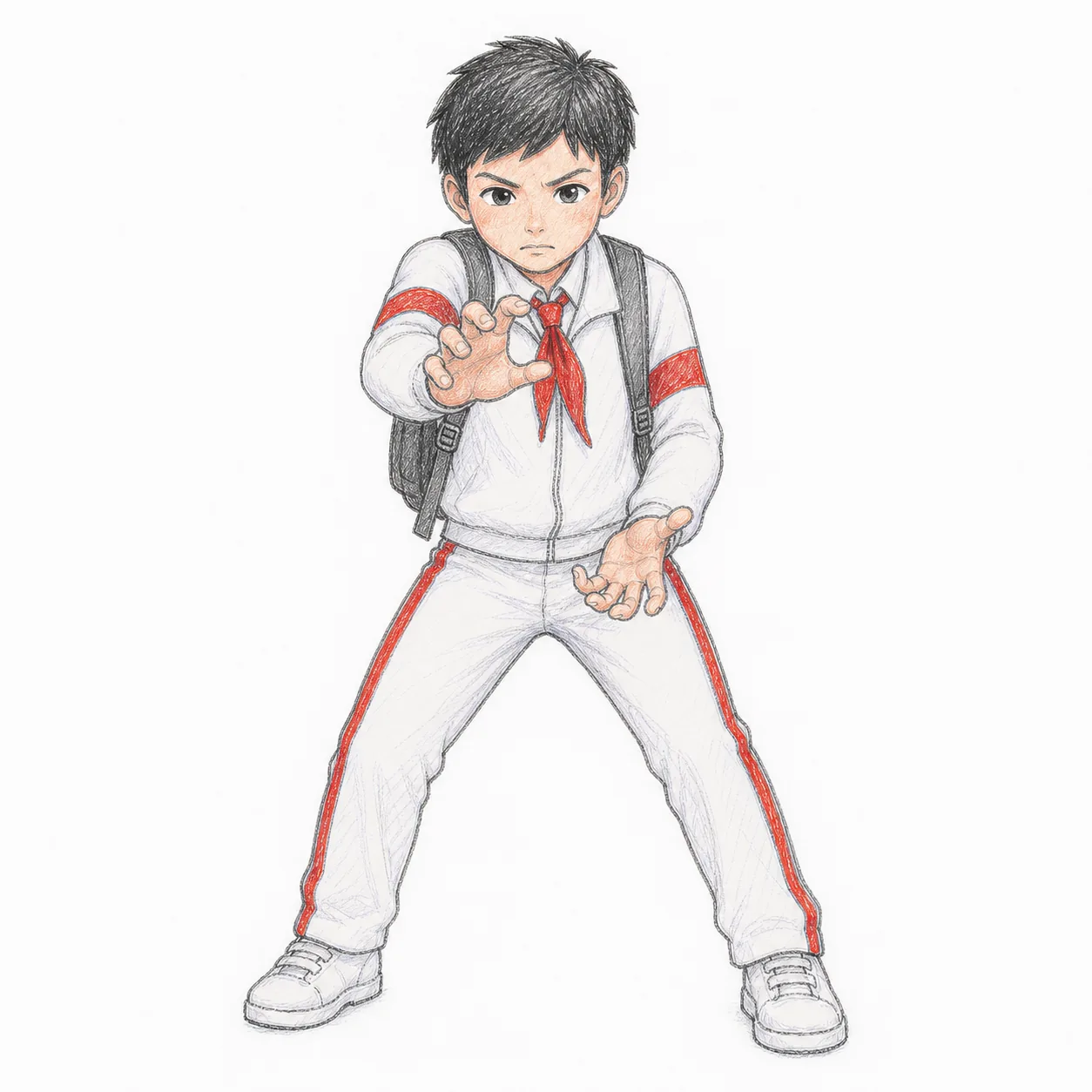 03 / OUTPUT
05 / KEYFRAME AGENT
Using a character’s A-pose as an anchor for identity, scale and centerline, a custom skill encodes camera position, action set, canvas specifications and style boundaries, then batch-generates keyframes for Idle, Attack, Charge, Defense, Dodge, Hit and Clap.
Value: reusable animation rules replace one-off prompts and keep identity, scale, camera and style consistent across keyframes.
Swipe to explore the gallery →
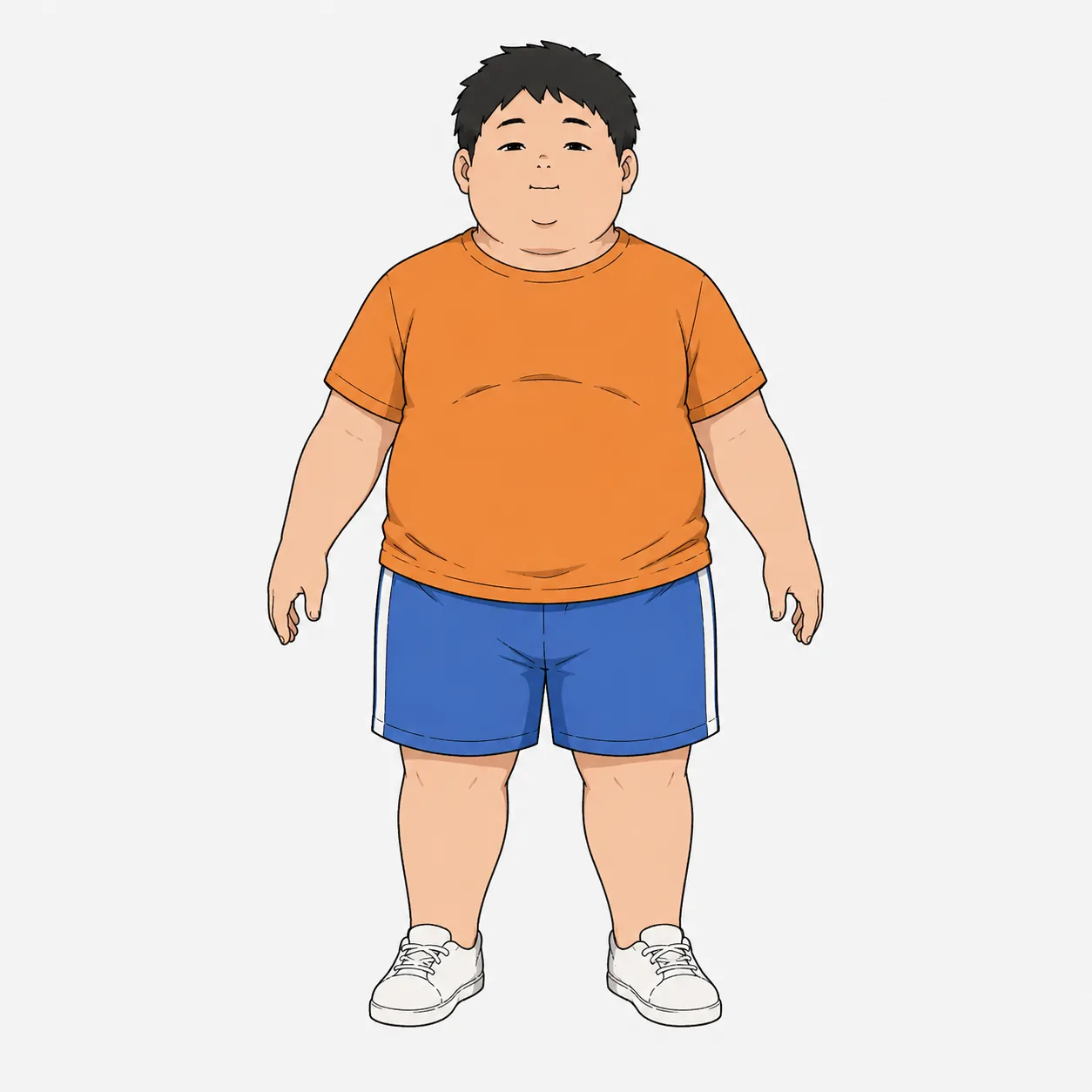 01 / A-POSE INPUT
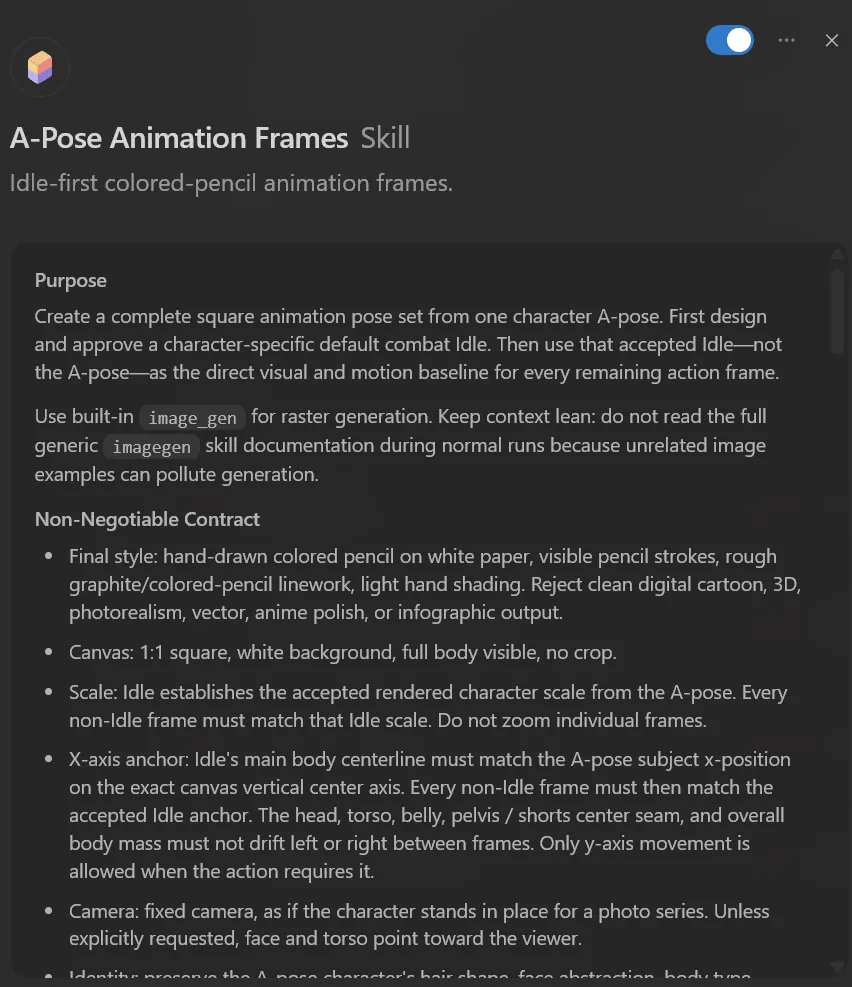 02 / SKILL RULESET
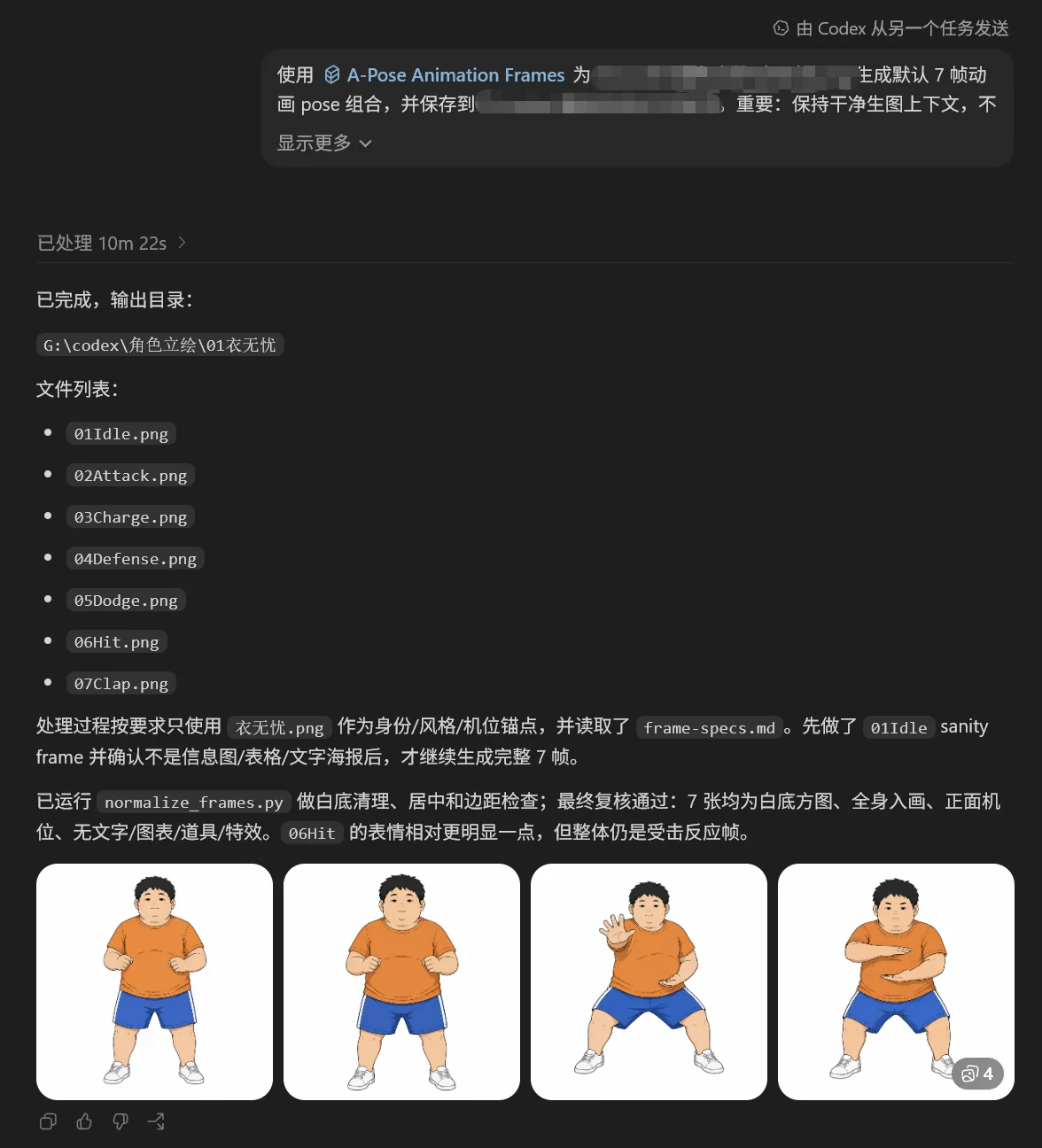 03 / KEYFRAME OUTPUT01 / A-POSE INPUT02 / SKILL RULESET03 / KEYFRAME OUTPUT
06 / TEXTURE RECOVERY
To address broken textures, accumulated noise and contaminated lines in generated animation frames, the team uses two-stage restoration: remove the colored-pencil texture and rebuild a clean flat-color vector intermediate, then restore the project’s specified style once the structure is checked.
Value: separating structural repair from style restoration prevents damaged texture from being carried forward and amplified.
Swipe to explore the gallery →
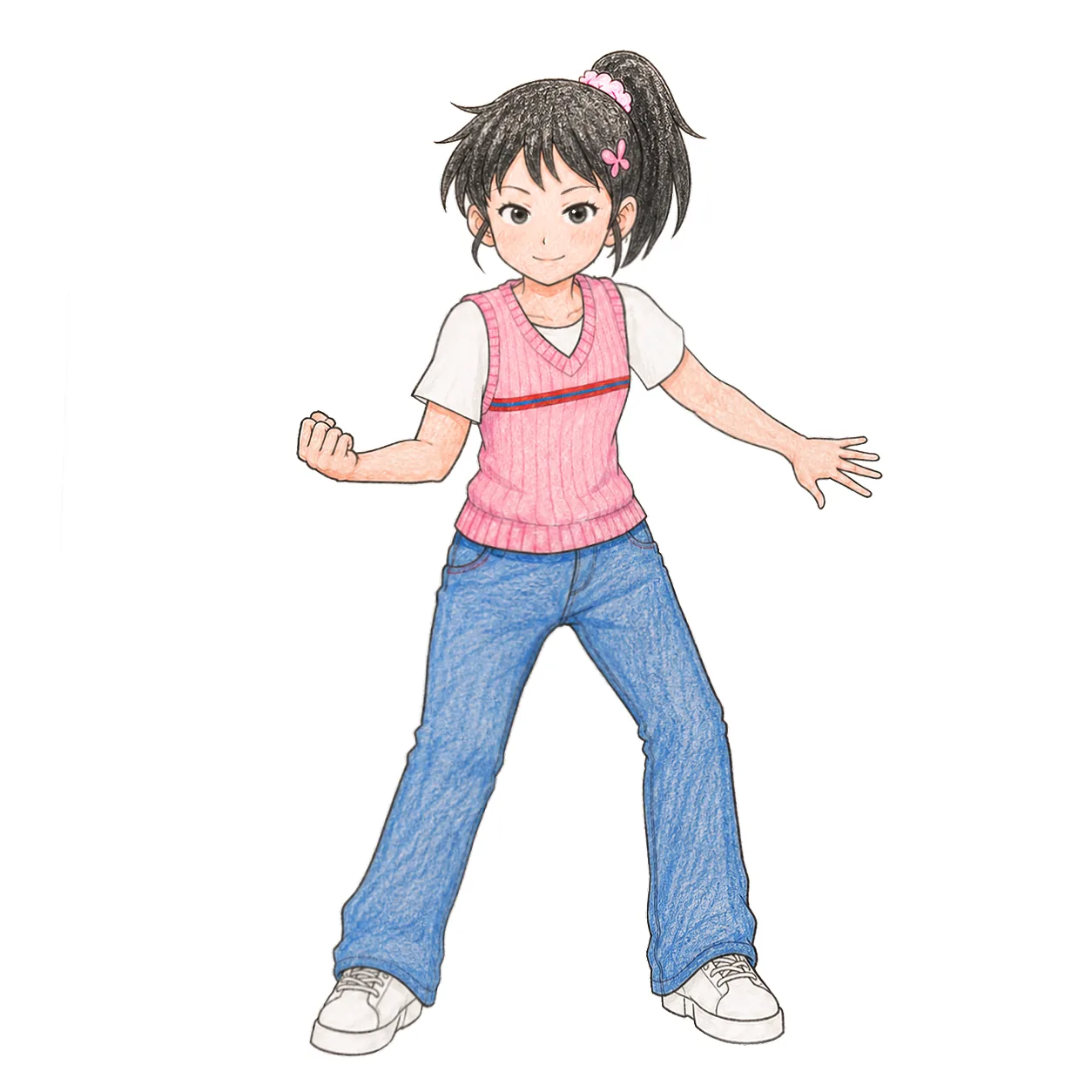 01 / DAMAGED INPUT
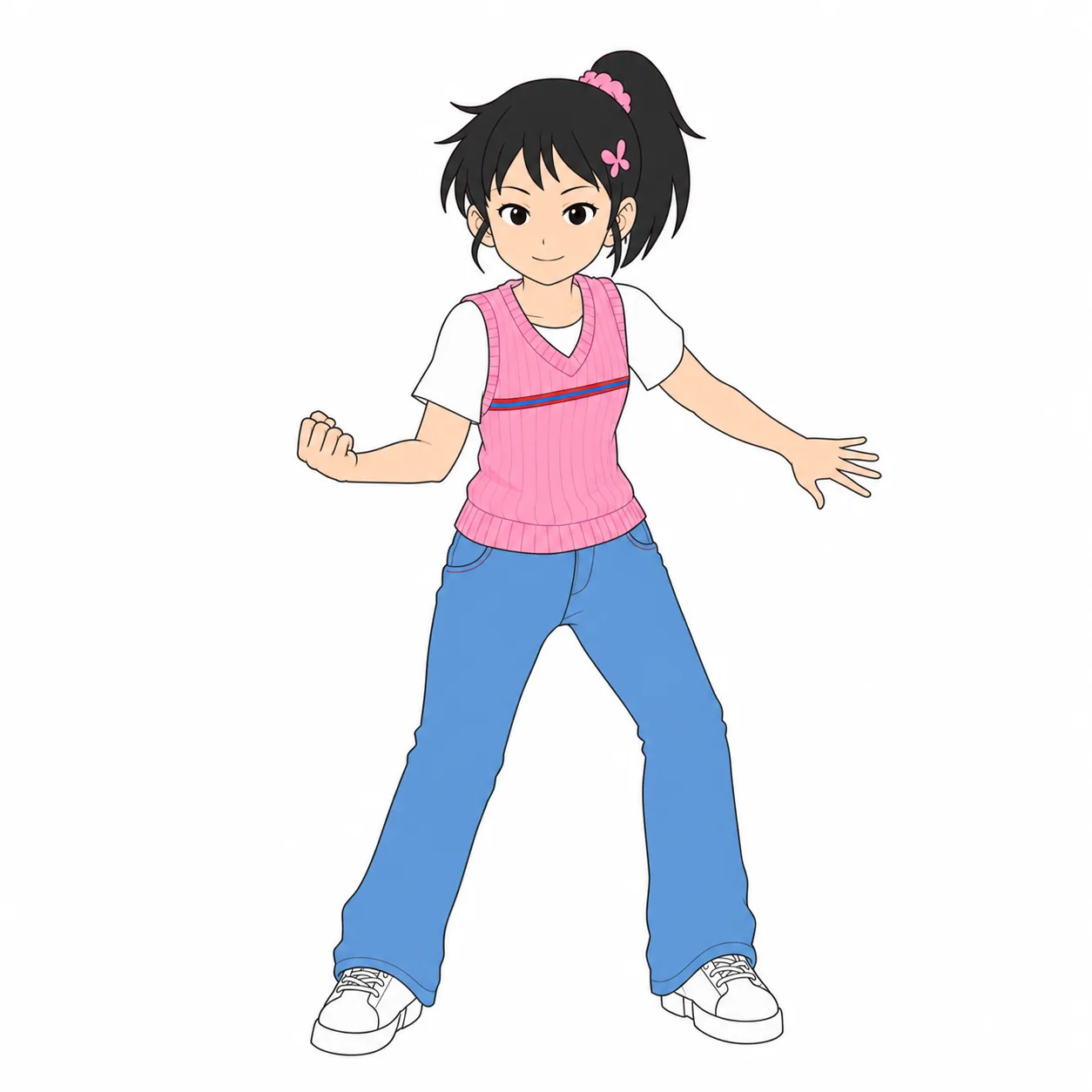 02 / CLEAN BASE
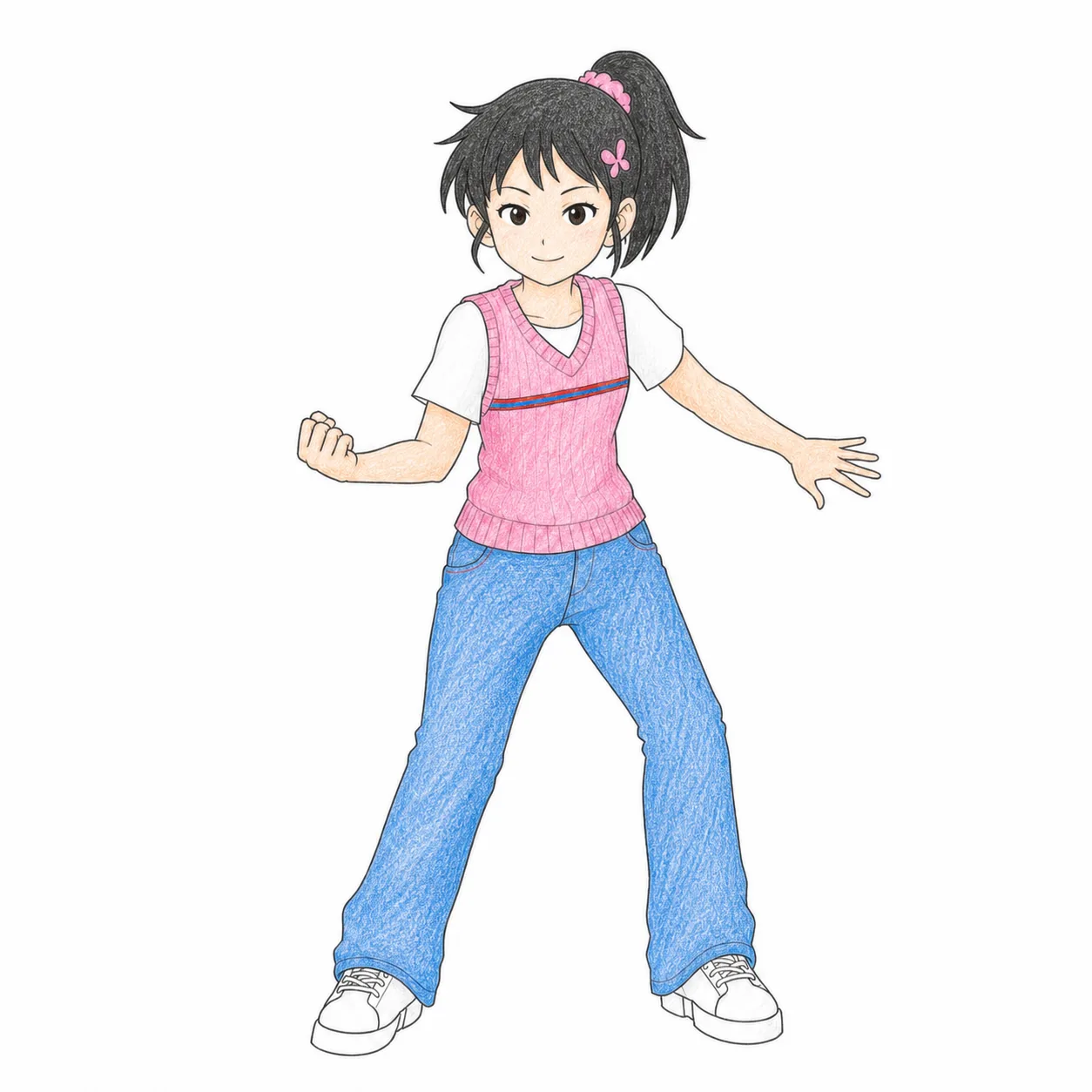 03 / STYLE RESTORE01 / DAMAGED INPUT02 / CLEAN BASE03 / STYLE RESTORE
CASE 02 / RAPID PROTOTYPE
Two-week prototype · AI assisted character, animation, technical art and code
This two-week prototype shows how the team used AI for evaluating approaches, modeling guidance, animation assistance, shader implementation and scene iteration before the art direction had settled. AI expanded options and accelerated implementation; team members set direction, made assets, integrated the engine and approved results.
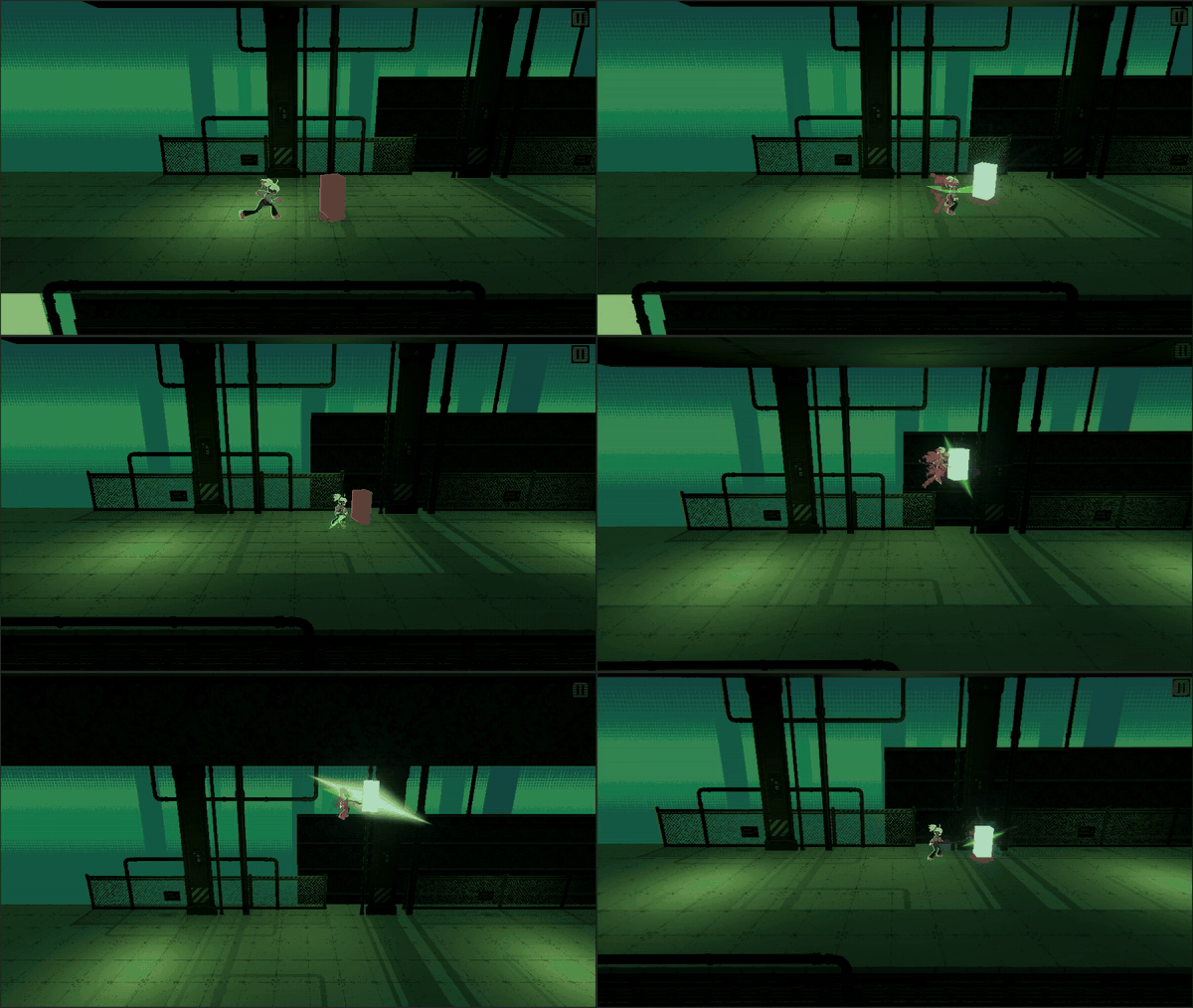
01 / CHARACTER & ANIMATION
When direct AI modeling did not reach a controllable quality level, the team switched to manual low-poly modeling and refined the character through repeated human implementation, AI review and human revision. The model was rigged with Auto Rig Pro, animated with AI assistance in Cascadeur, then exported through Blender.
Workflow: evaluate approach → manual low-poly modeling → AI review and iteration → rigging and animation assistance → engine-ready character.
Swipe to explore the gallery →
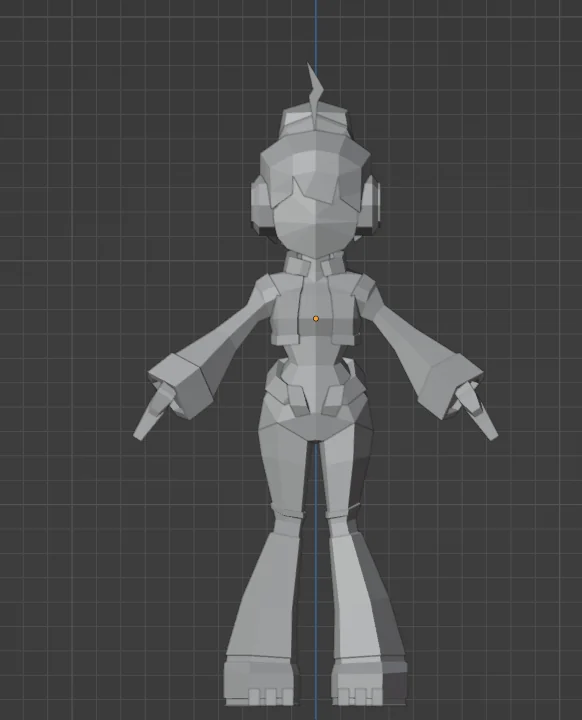 01 / DIRECTION
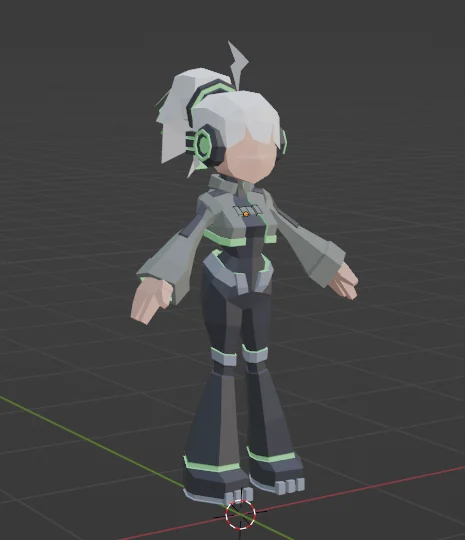 02 / ITERATION
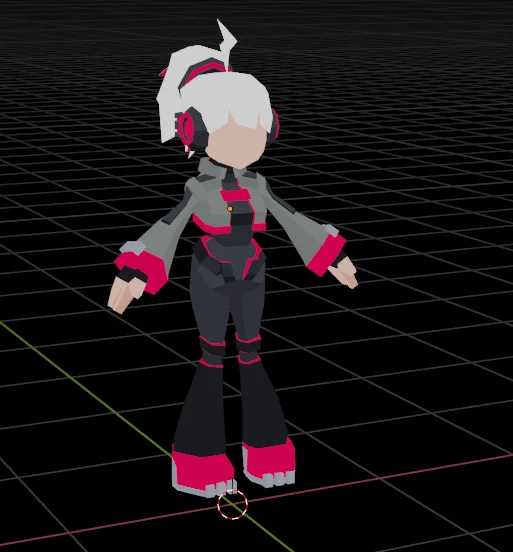 03 / ART DIRECTION01 / DIRECTION02 / ITERATION03 / ART DIRECTION
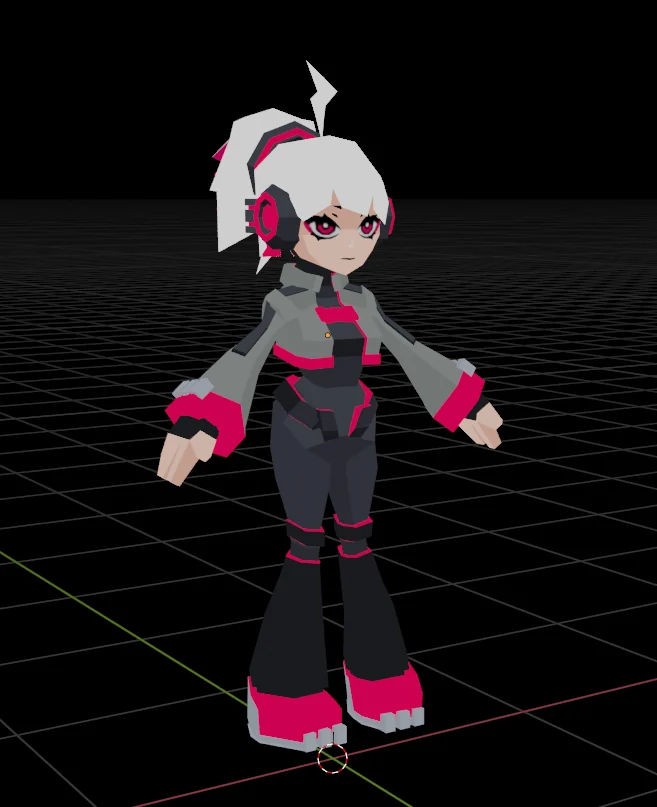 04 / CHARACTER OUTPUT
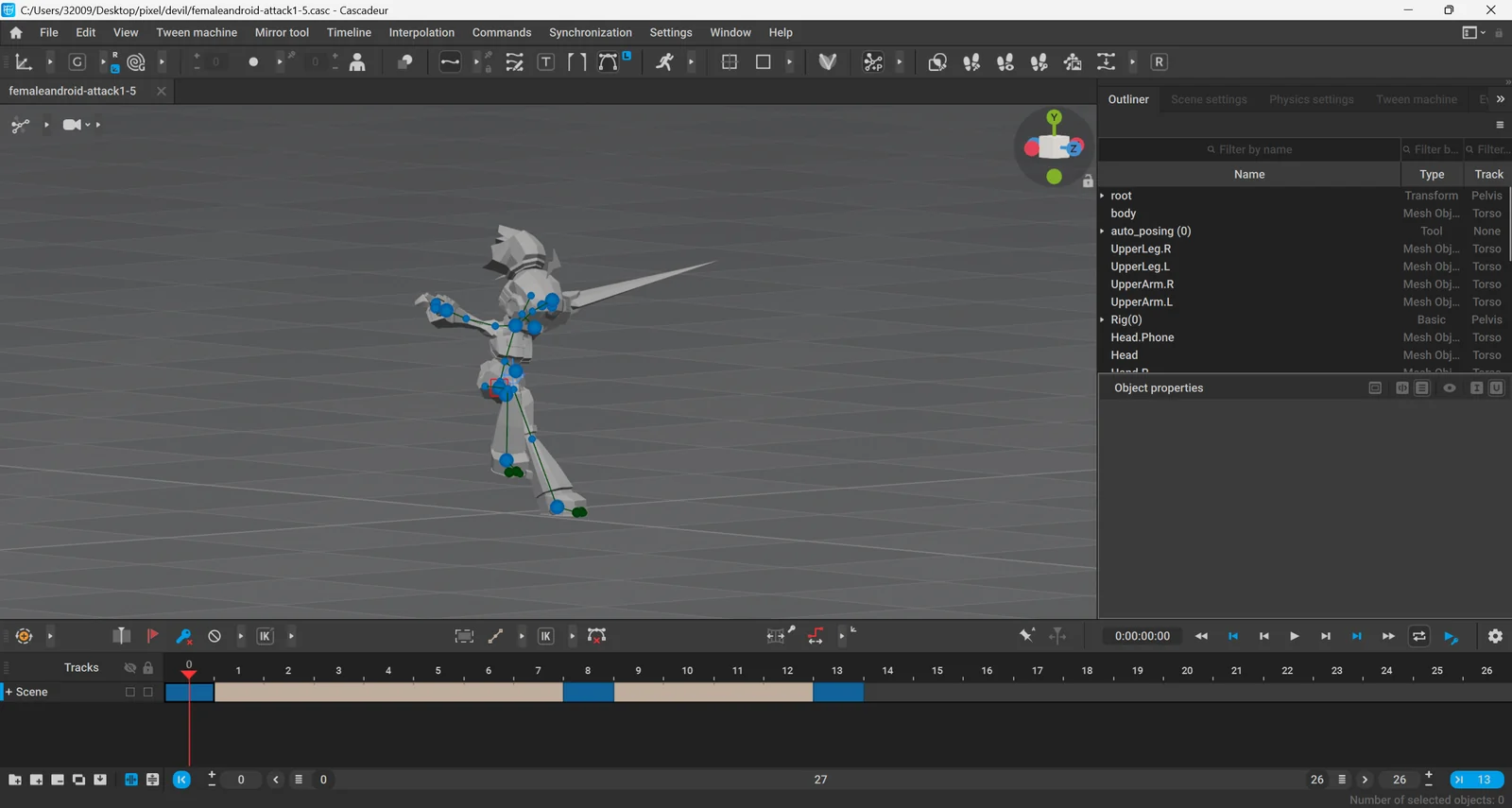 05 / RIGGING
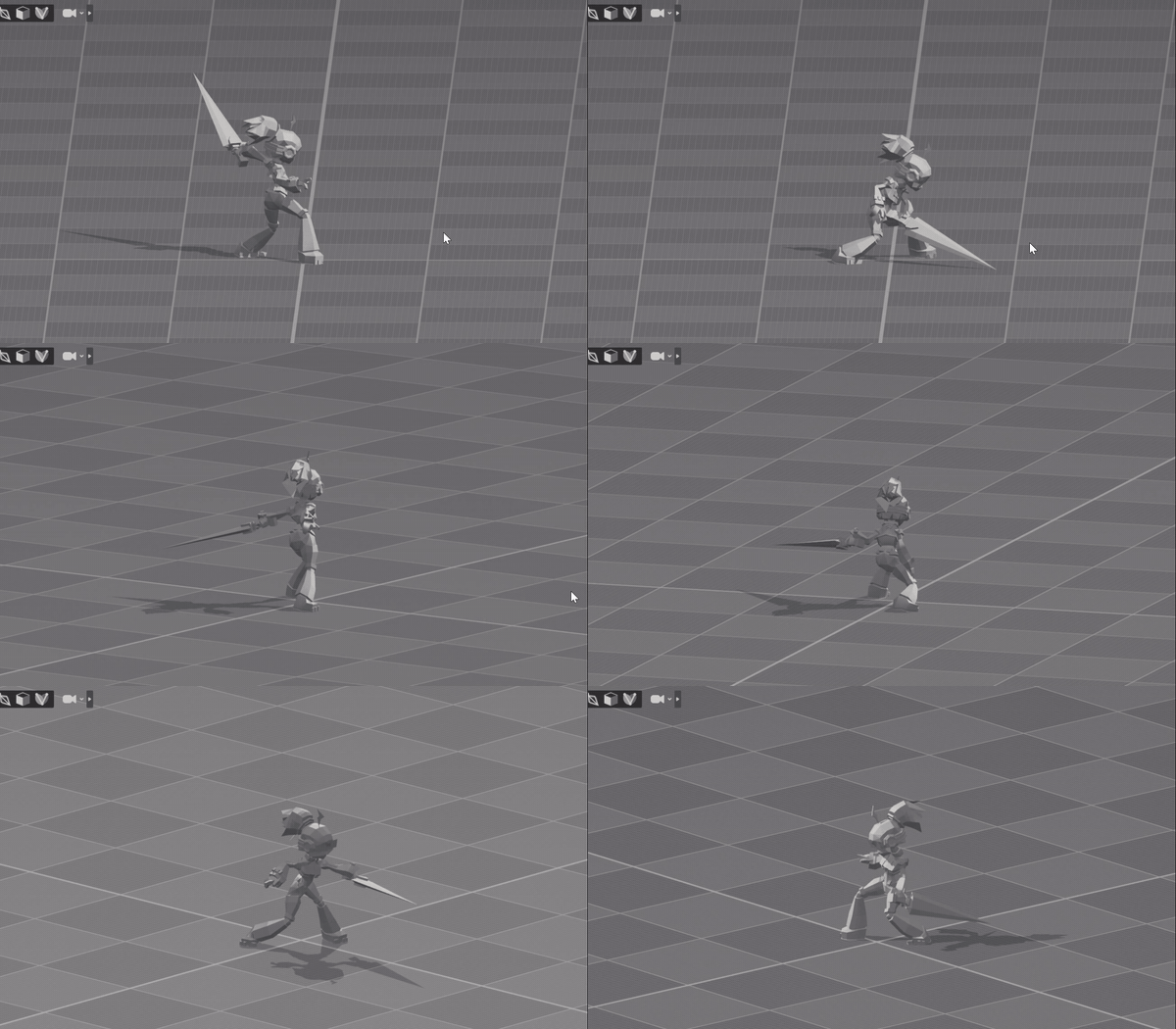 06 / ANIMATION OUTPUTGIF / LOOP
02 / TECHNICAL ART
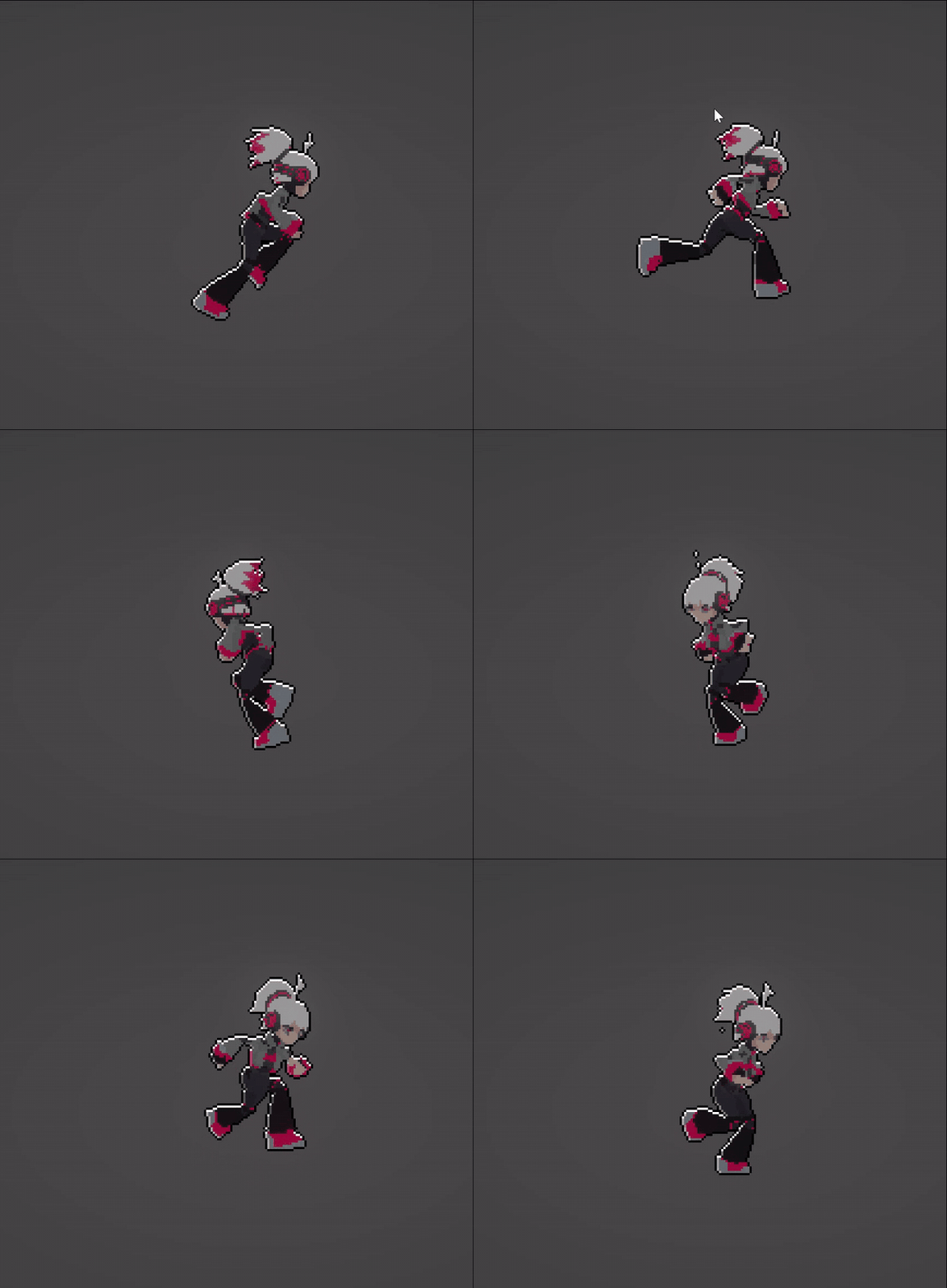
The creators define visual goals such as Y2K retro-futurism, pixelation and highlight outlines, along with in-engine requirements. AI produces the shader approach and implementation for this prototype; the team specifies requirements, integrates it into the engine and validates it from multiple angles.
Value: turn an abstract visual direction into a working engine solution and validate its stability as characters move.
Swipe to explore the gallery →
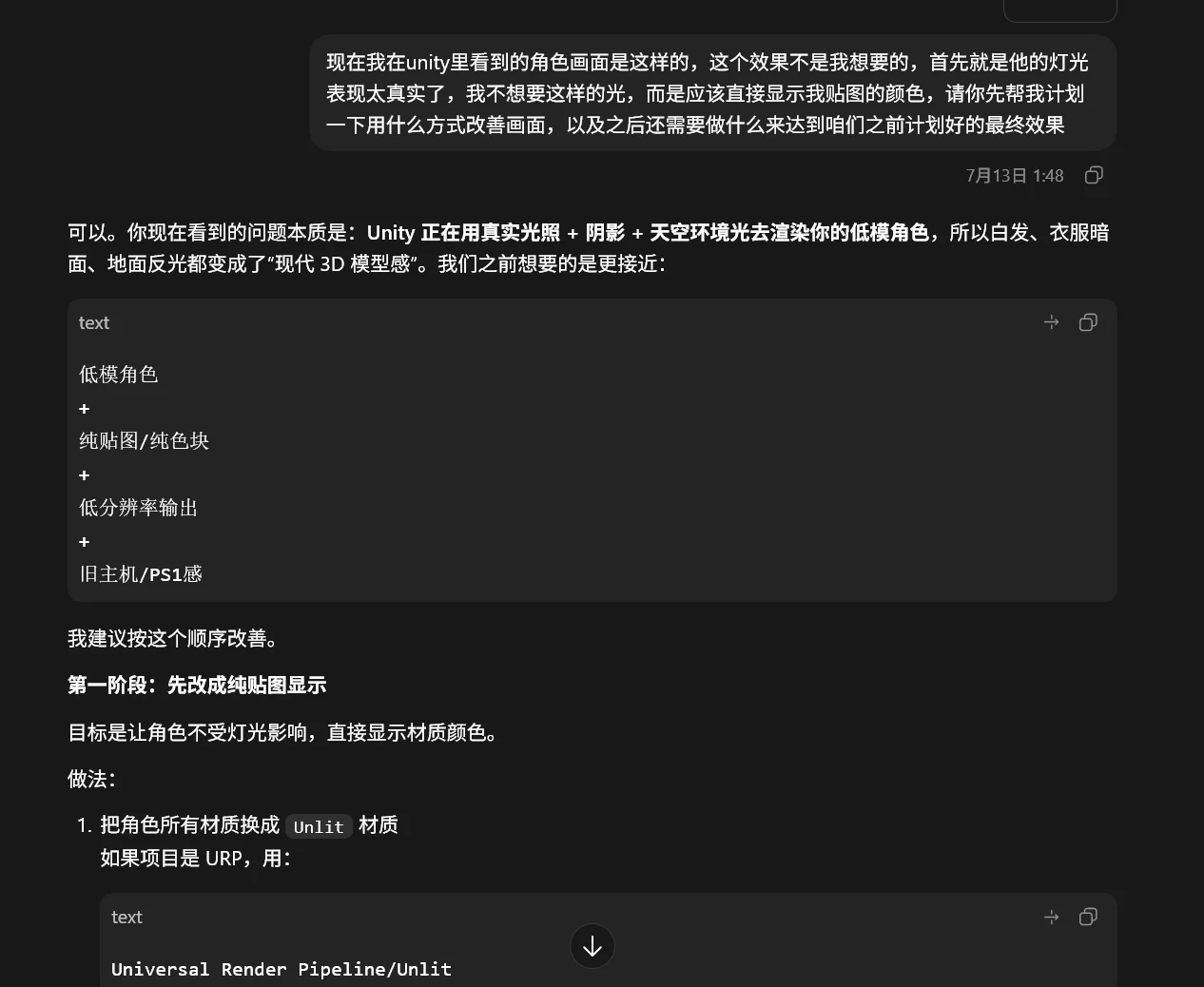 01 / BRIEF
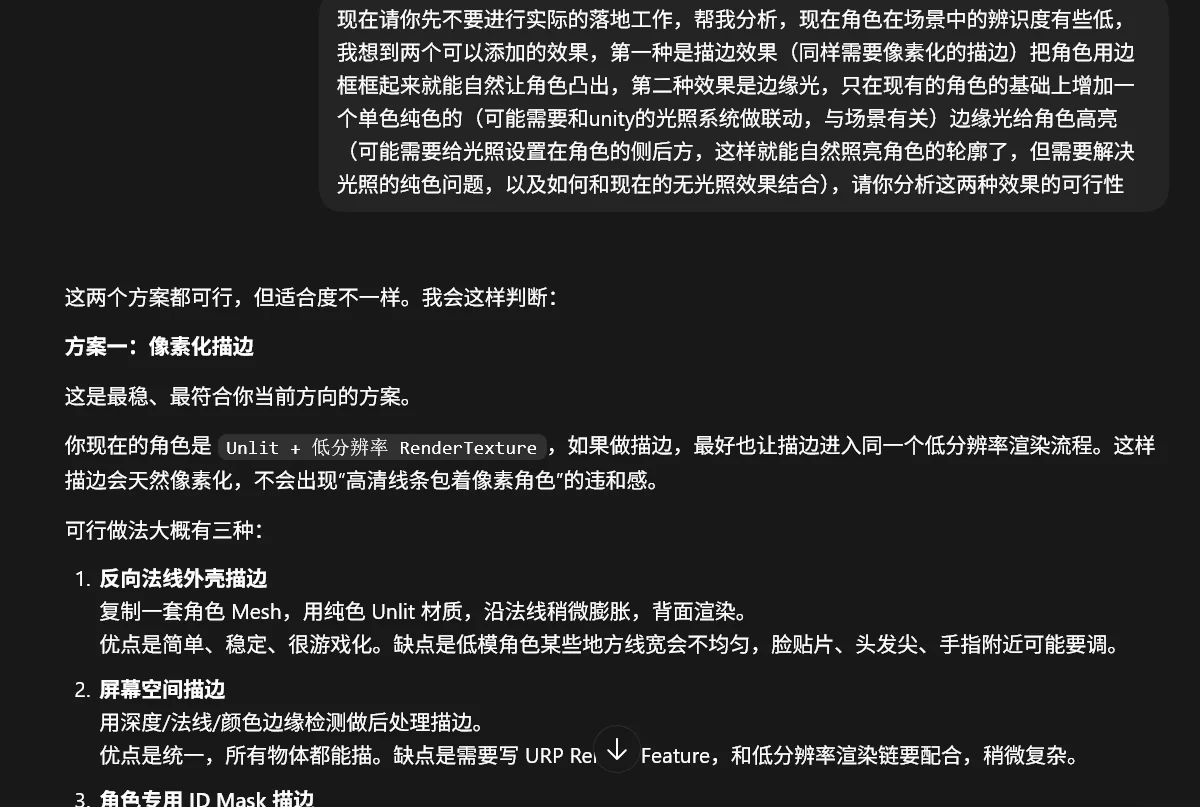 02 / IMPLEMENTATION
 03 / OUTPUTGIF / LOOP01 / BRIEF02 / IMPLEMENTATION03 / OUTPUTGIF / LOOP
03 / ENVIRONMENT PIPELINE
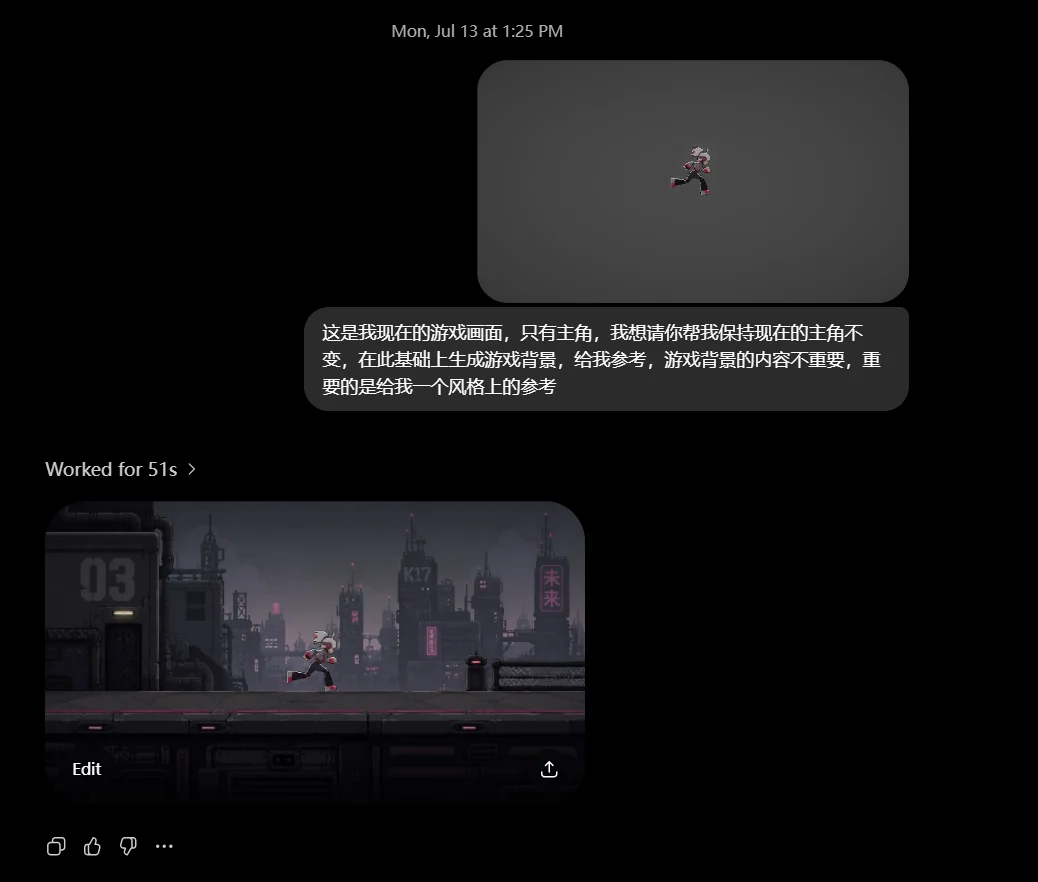
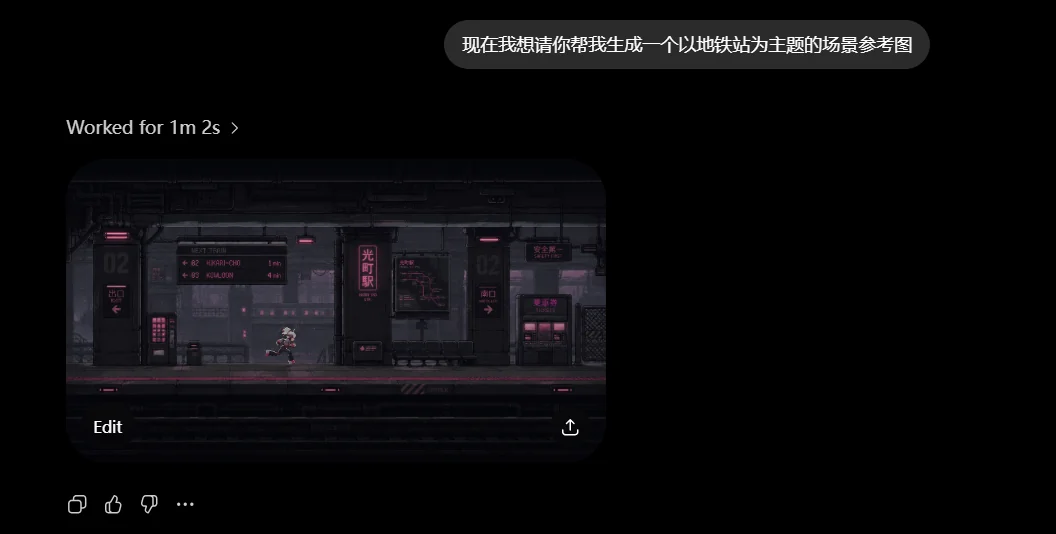
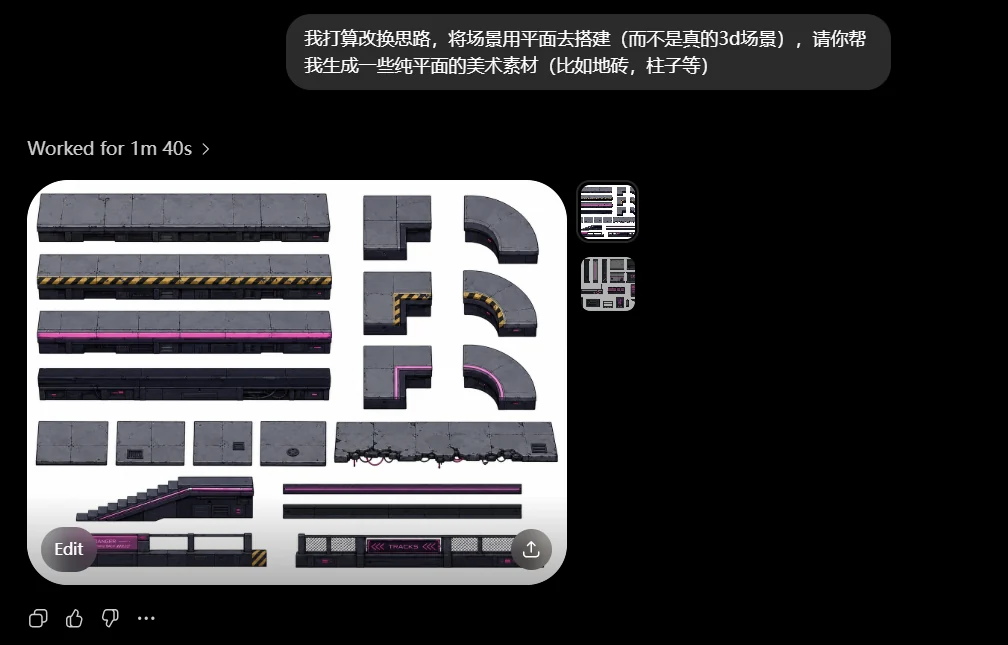
Using existing concepts and character assets, the team asks AI to generate visual scene prototypes and separable assets. After light manual processing, an initial version is assembled in Unity, then composition, color, depth and interactive space are refined using AI review and in-game results.
Workflow: concept input → scene prototype → modular assets → engine assembly → feedback and iteration → playable scene validation.
Swipe to explore the gallery →
 01 / CONCEPT A
 02 / CONCEPT B
 03 / ASSET SET A01 / CONCEPT A02 / CONCEPT B03 / ASSET SET A
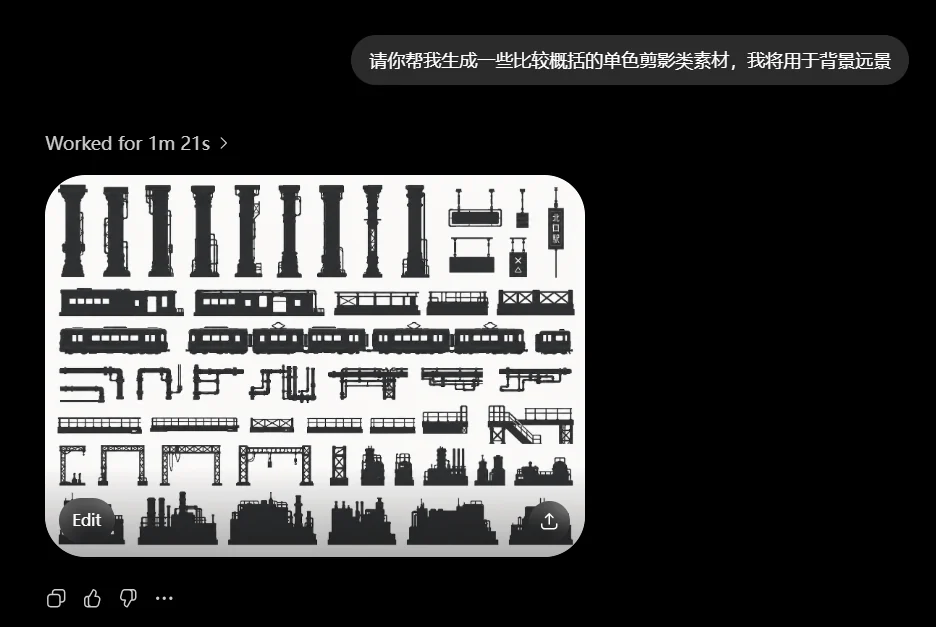 04 / ASSET SET B
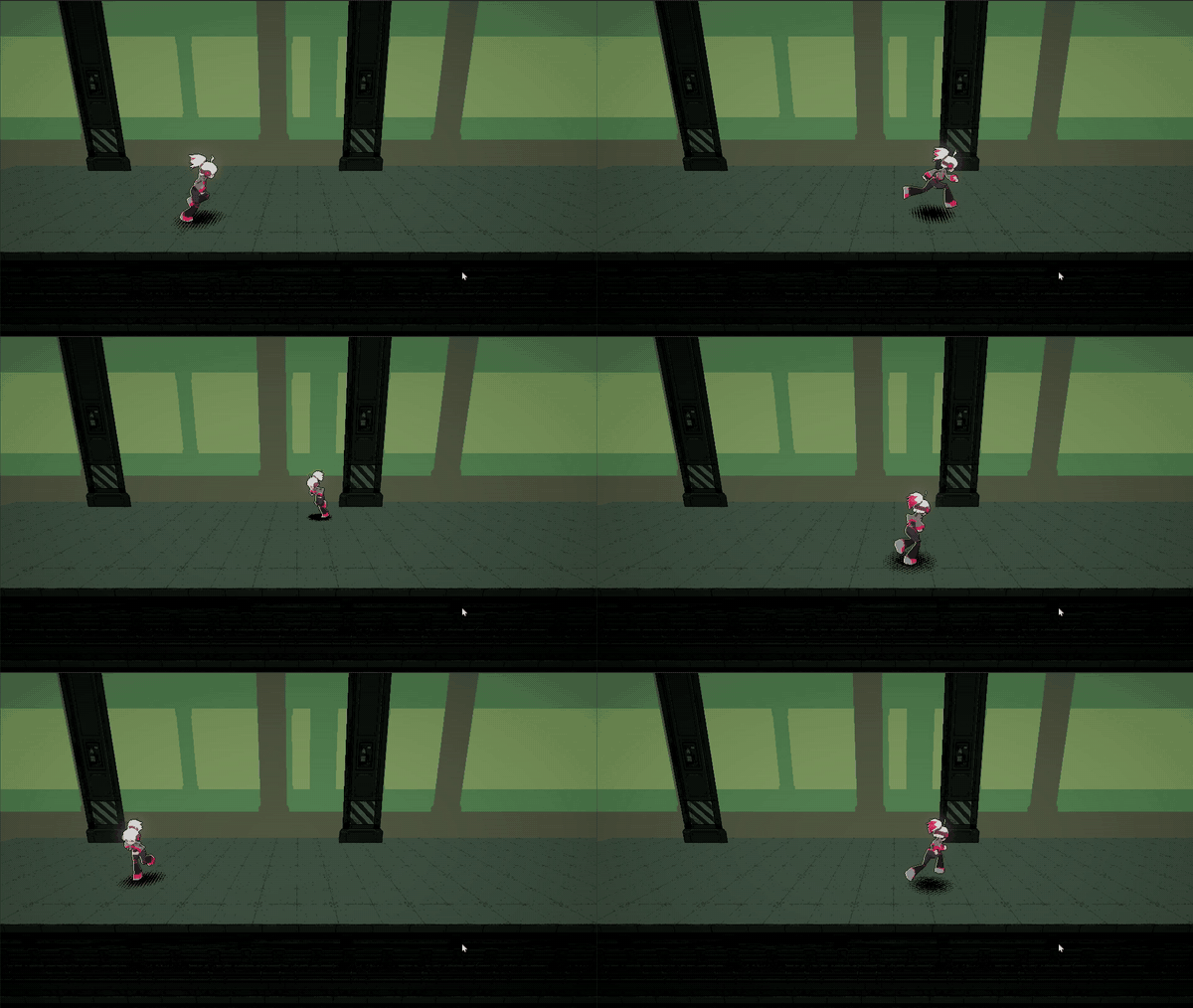 05 / PROTOTYPE 1GIF / LOOP
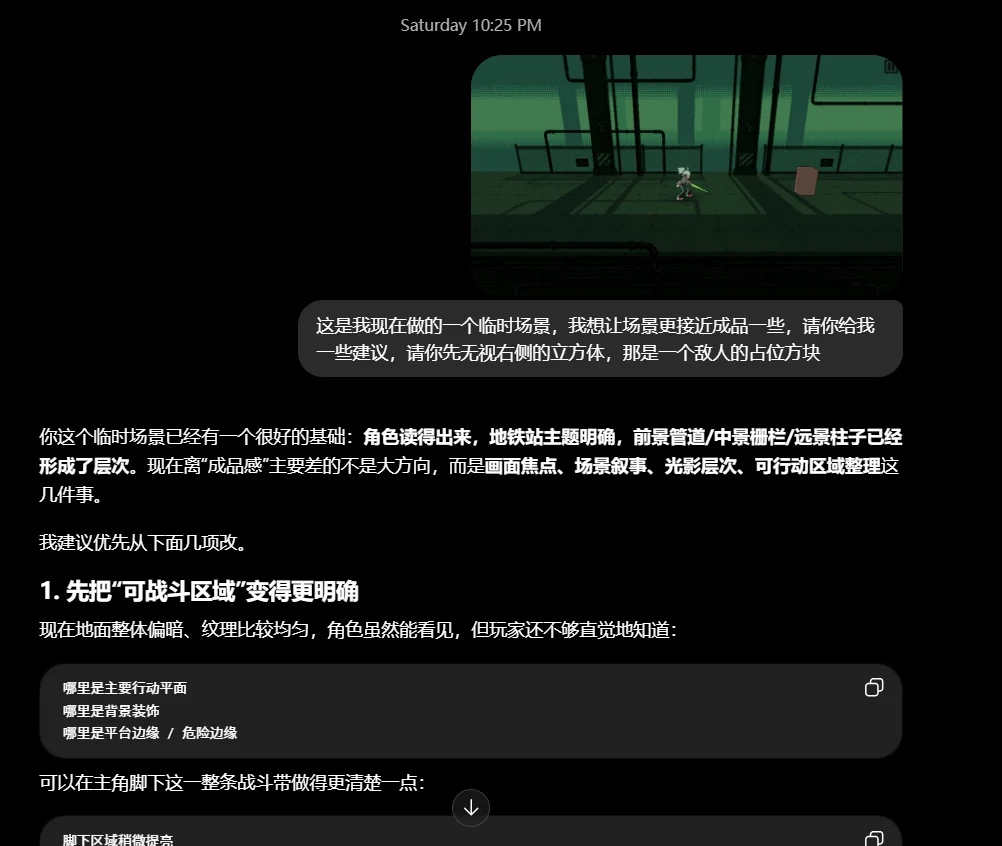 06 / REVIEW
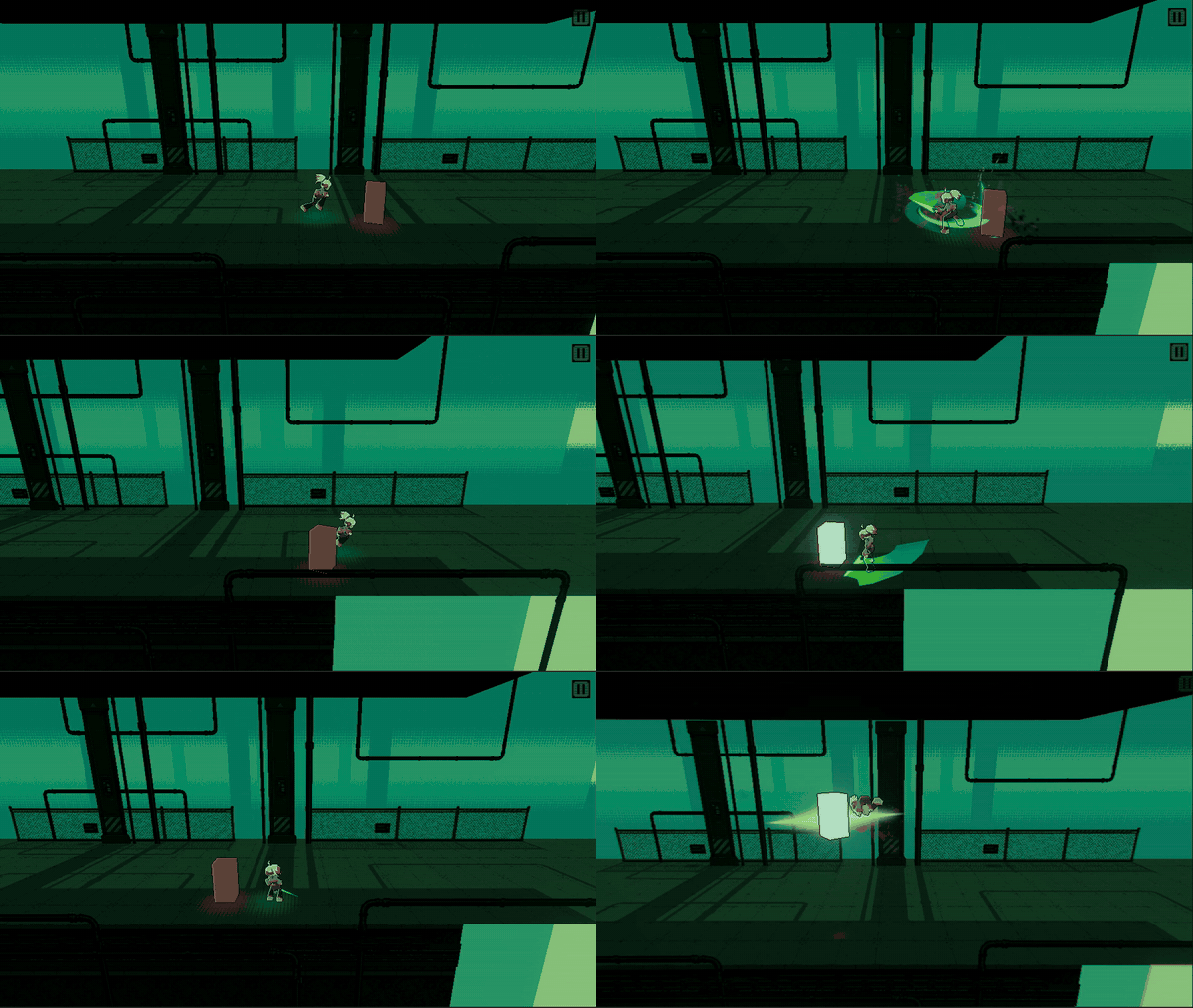 07 / PROTOTYPE 2GIF / LOOP
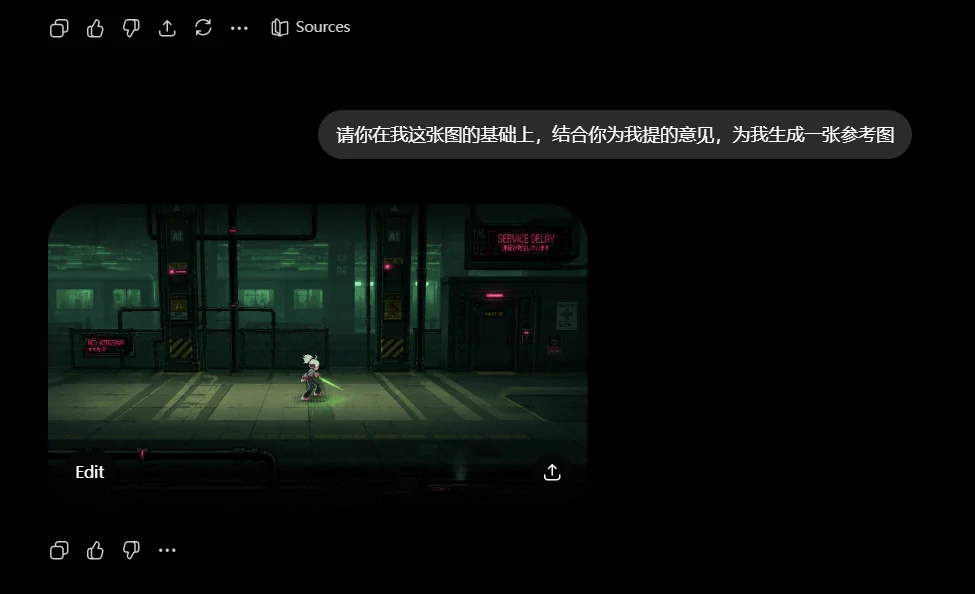 08 / REFERENCE09 / OUTPUTGIF / LOOP
04 / SELECTED WORK & EXPERIMENTS
From rhythm battles to action prototypes, different genres give us different ways to explore. These projects document our practice and inform what we are building today.
RHYTHM BATTLES / PRODUCTION STUDY
Attack, dodge and build energy on the beat in first-person rhythm battles. A focused exploration of animation tools, programming and colored-pencil art production.
ACTION RPG / PROTOTYPE
An action RPG prototype about editable combos and cleaning up dreams, combining low-poly art, pixelation and retro-futurism.
SIDE-SCROLLING ACTION / PROTOTYPE
Ride a flying sword through hidden realms. Inertia and steering shape high-speed aerial combat, with artifacts and abilities creating different builds.
MATCH-THREE / ROGUELIKE PROTOTYPE
A portrait gameplay experiment combining match-three combat, roguelike builds and a wheel of fate.
DRIVING ACTION / BUILD PROTOTYPE
A portrait action prototype combining high-speed motorcycle movement and a 3×3 weapon-and-module build system.
Test controls and rules in a small playable prototype before deciding where to invest further.
Turn repeated steps in animation processing, asset import, programming and audio production into reusable workflows.
From character and style decisions to in-engine validation, the team takes responsibility for the final experience.
Images come from the Chinese development build; English captions describe the same content.
05 / GET IN TOUCH
WE ARE SEEKING
We would like to meet early-stage investment partners who understand indie games and believe in AI-native production for small teams, to continue validating the current project, future products and production system together.
ALSO OPEN TO
Publishing / Exhibitions / Industry partnerships
BUSINESS CONTACT